
Study Guides
OCR A Level Business: Human resources (H431)
Study guide to the whole Human resources topic of OCR A Level Business H431: structures, recruitment, motivation, leadership, relations and strategy.
- Subject
- Business
- Level
- A LEVELS
- Topic
- Human resources
- Author
- Marlbridge Academic Team
- Updated
- Reviewed by
- Salman Ahmad (what this means)
Aligned to OCR A Level Business (H431), Version 2.1 (January 2026), for first assessment in 2017; final assessment summer 2027. Official specification .
Syllabus page (what it covers and how it is assessed): OCR A Level Business.
Syllabus points this page covers
H431
- 5 Human resources (whole topic)
Found an error? Report a correction.
Need help with this topic? Request a free trial class for A Level Business (H431).
This guide covers the whole Human resources topic of the OCR A Level in Business (H431), Version 2.1 (January 2026). It follows the content headings in the specification’s Human resource management and Human resources strategy areas of study, using OCR’s wording. For quick recall use the revision notes, then test yourself with the practice questions. Course pages: OCR A Level Business hub and checklist. To find weak spots first, try the free diagnostics.
All businesses here are invented. Where the specification gives no formula, the standard form is shown and labelled.
Map of the topic
| Section | Content headings |
|---|---|
| 1 | Human resource management objectives |
| 2 | Organisation (structure and culture) |
| 3 | Communication |
| 4 | The workforce: workforce planning, recruitment, selection, training |
| 5 | Appraisal and workforce performance; redundancy and dismissal |
| 6 | Management and leadership |
| 7 | Motivation |
| 8 | Employer/employee relations |
| 9 | External influences on human resource management |
| 10 | The human resources strategy |
Most content points ask you to explain, then evaluate “for a business and its stakeholders”. Stakeholders include employees, managers, owners, customers and the community.
1. Human resource management objectives
HR objectives are people-related targets, for example cutting labour turnover to 10%, filling vacancies within six weeks, or raising output per employee. A business uses them to set direction, measure results and tie people decisions to wider aims. Clear objectives mean managers know what they are aiming at, so training, pay and recruitment decisions can be judged against them.
Evaluation: objectives help only if they fit the business objectives (a low-cost model may aim for productivity, a premium service for staff retention) and are measurable.
2. Organisation
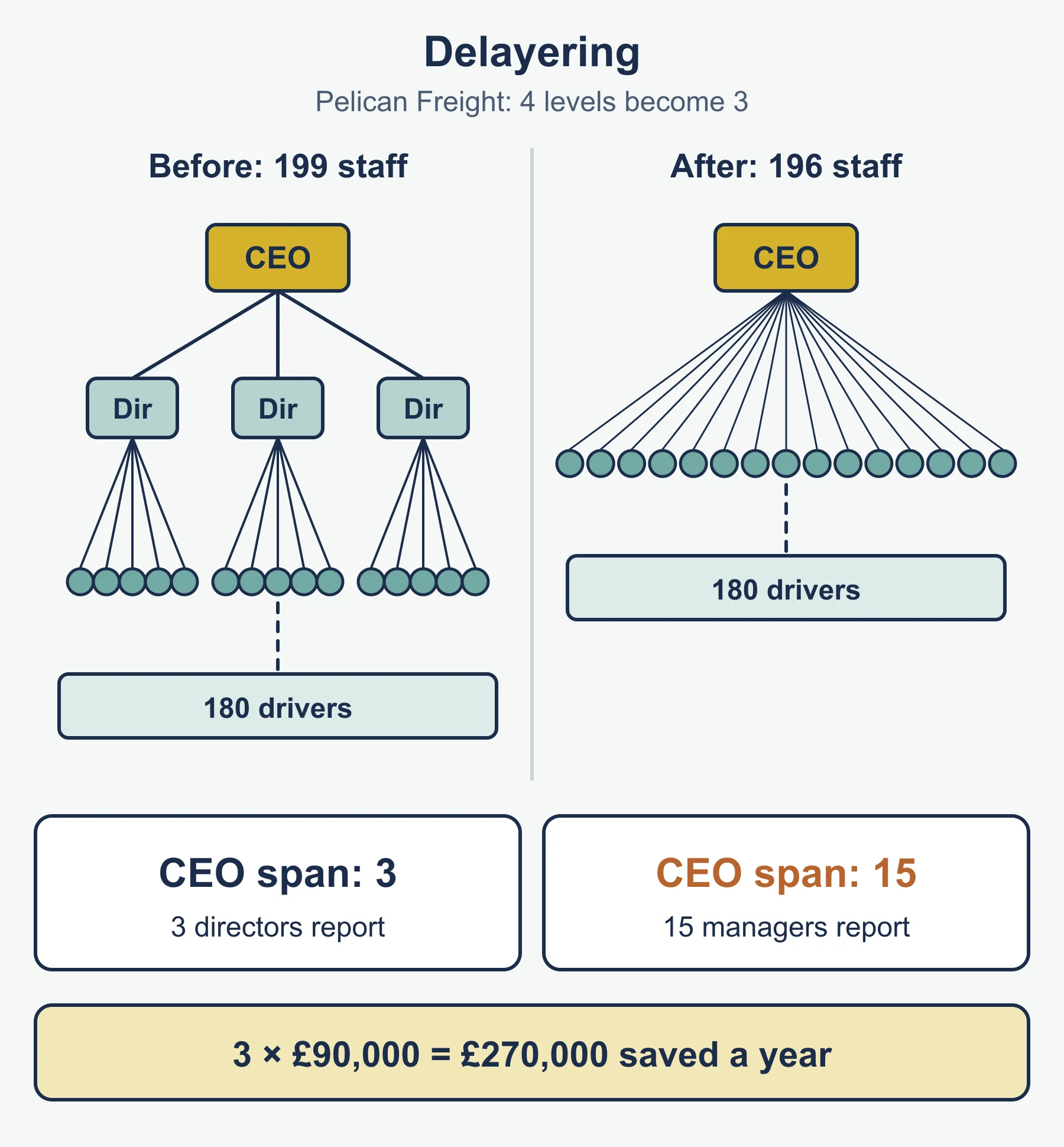
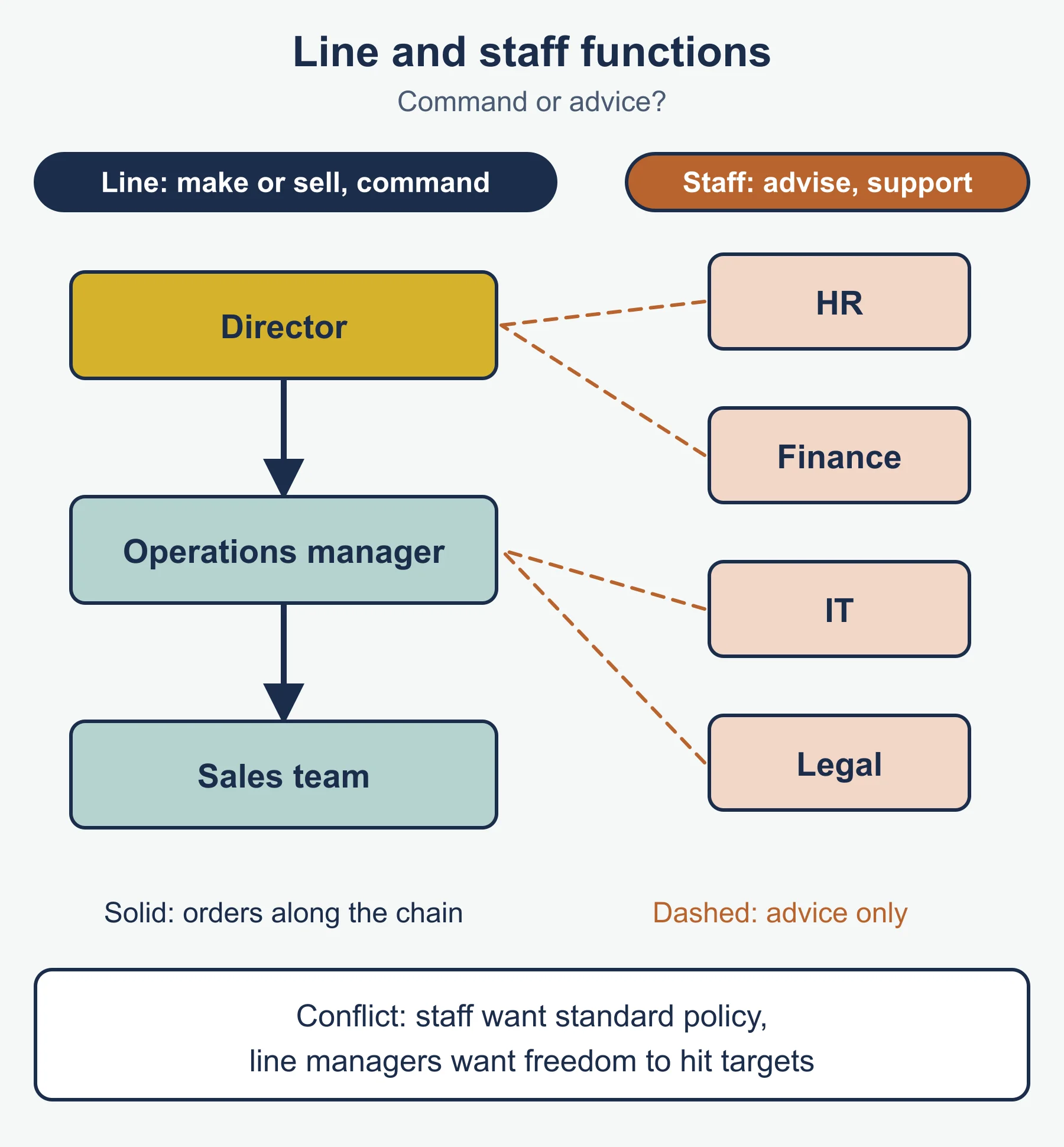
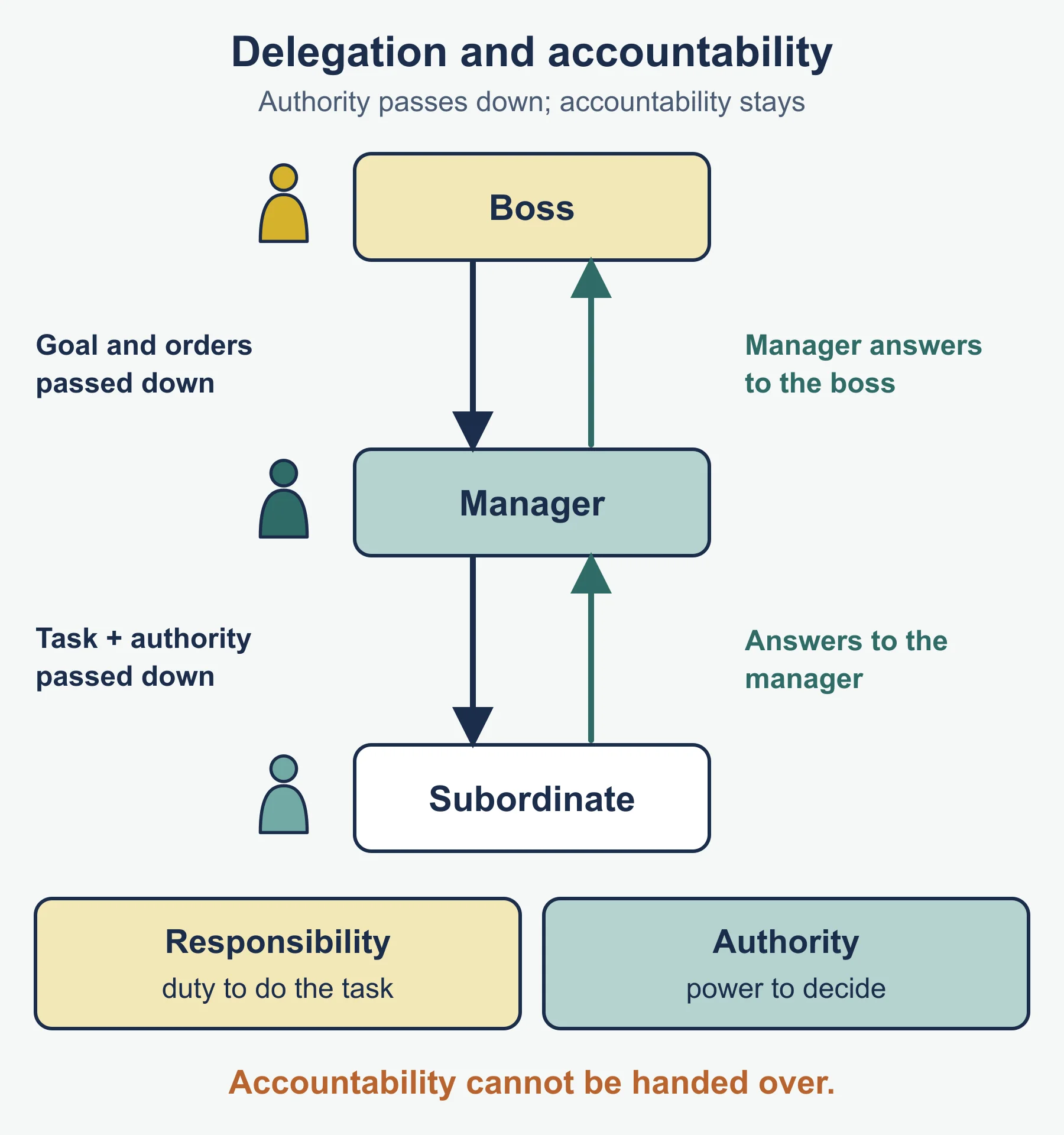
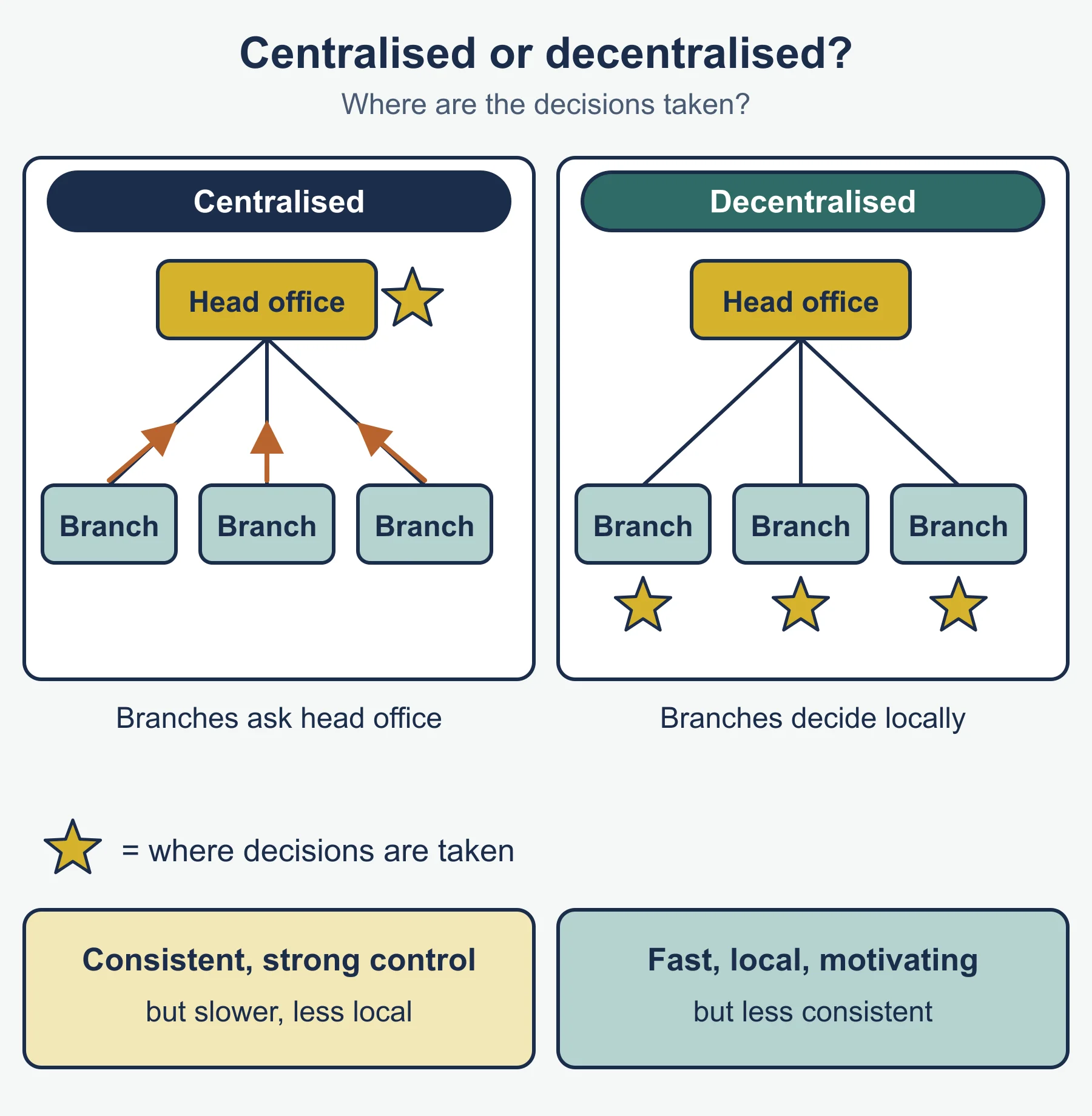
Terms. Line relationships link a manager to subordinates in a direct chain of command. Staff relationships are advisory, such as HR specialists advising line managers. Span of control is the number of people directly reporting to a manager. Authority is the right to give instructions; responsibility is being accountable for results. Delegation passes tasks and authority down while the manager stays accountable. Centralisation keeps decisions at the top; decentralisation spreads them. Delayering removes levels of hierarchy.
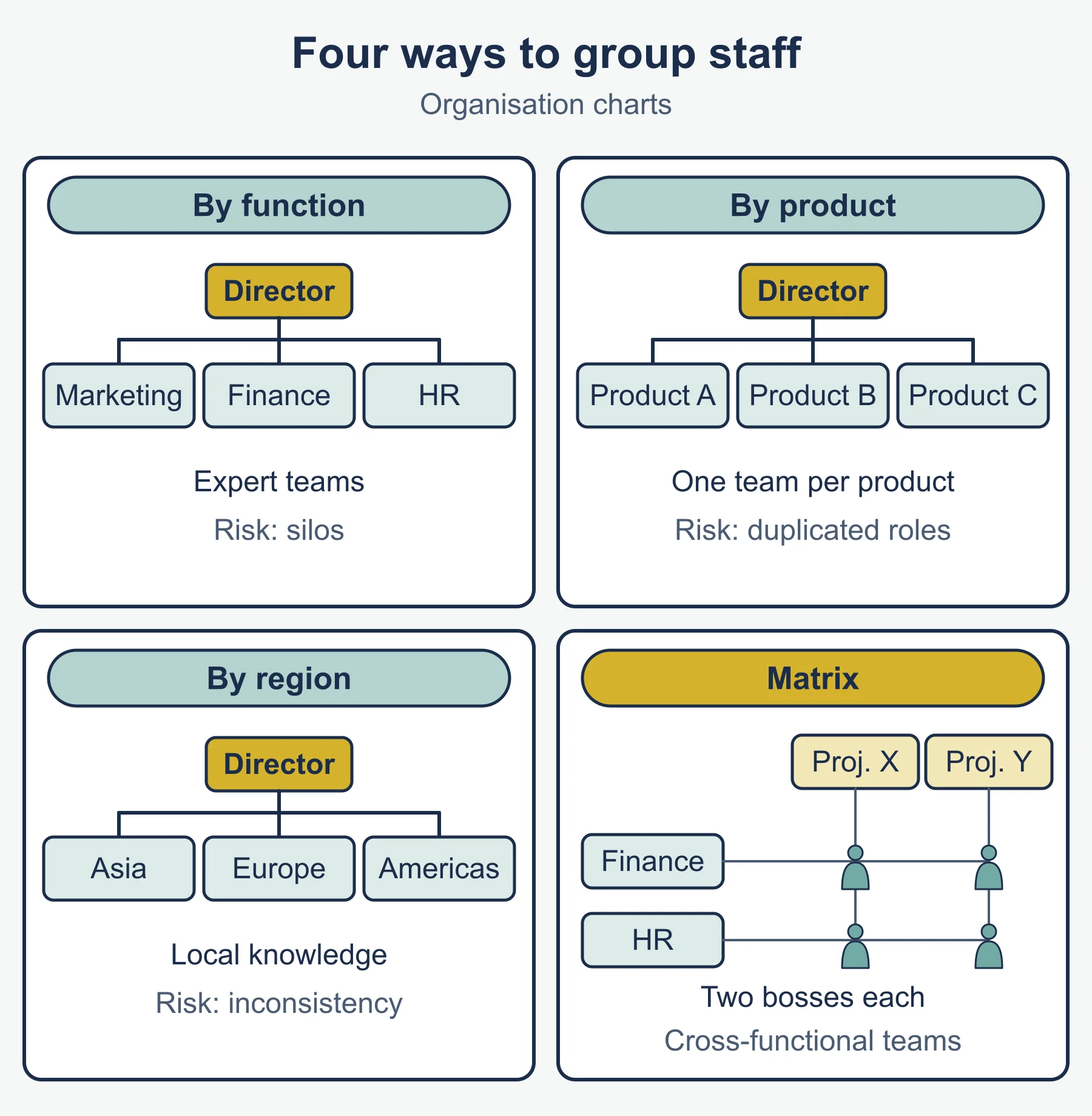
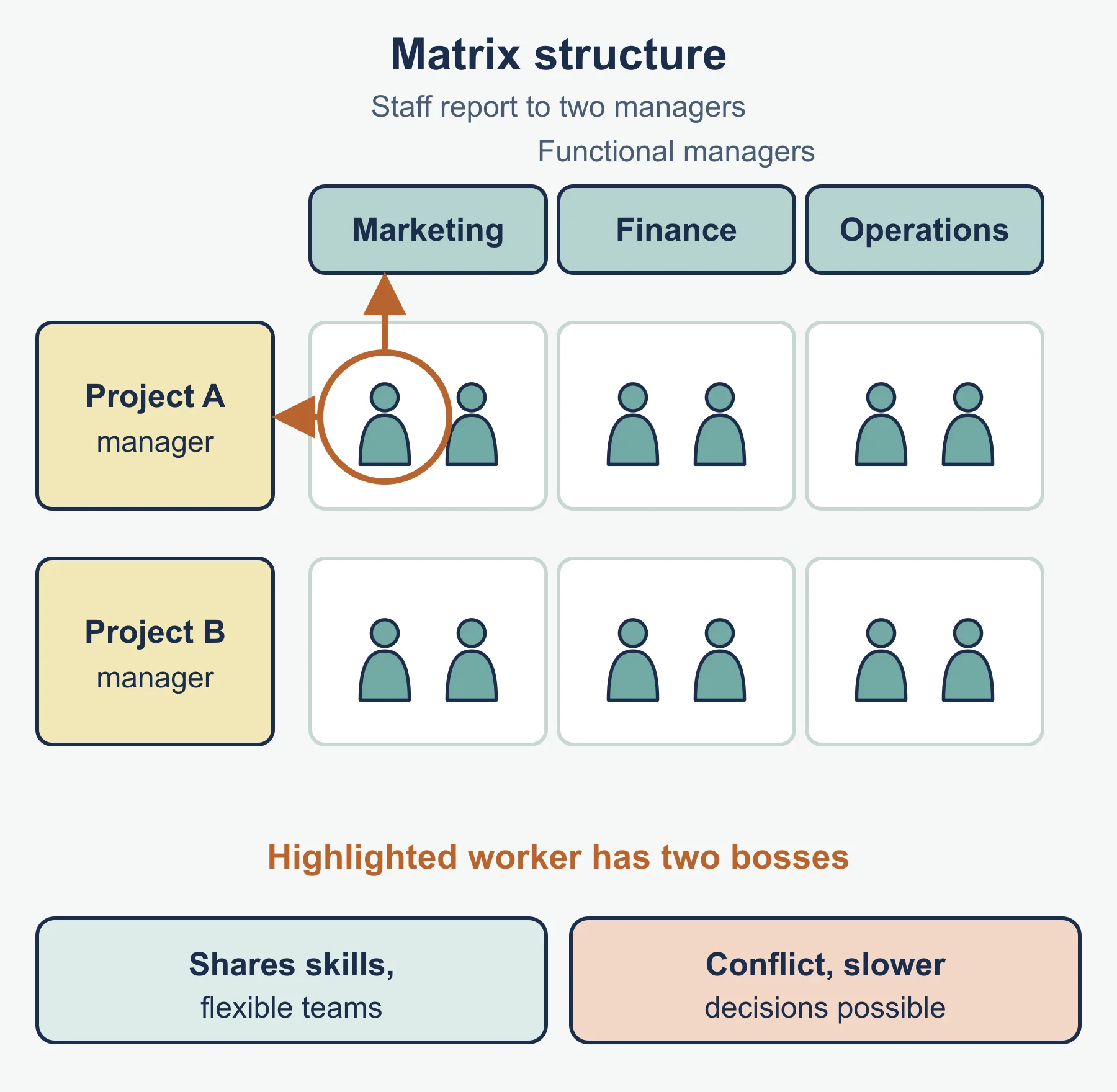
Models. A hierarchy has layers of authority. Structures can be organised by function (marketing, finance), by product, by division, as a matrix (each person answers to both a functional manager and a project manager) or as a system (the business is treated as linked parts working together; the specification lists it without detail).
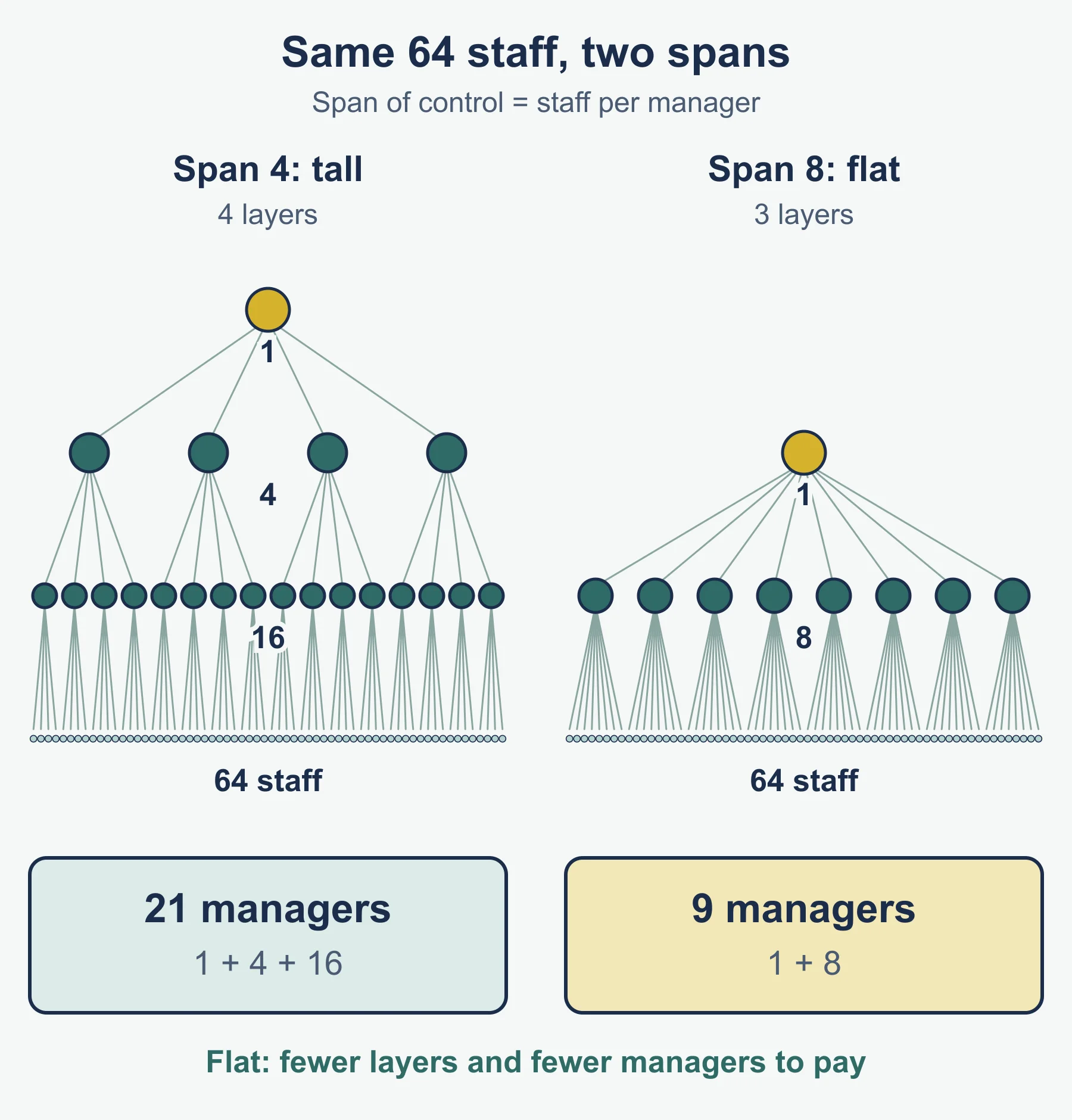
Tall v flat. Tall means many layers with narrow spans; flat means few layers with wide spans.
| Tall | Flat | |
|---|---|---|
| Control | Close supervision | More freedom, harder to supervise |
| Communication | Slow, can distort | Faster |
| Promotion | Many steps | Few steps |
| Cost | More managers | Fewer managers |
Culture is the shared values and ways of working. It is shaped by leaders, history, size, ownership, the industry and the structure. A strong culture can raise commitment; a culture that resists change can block it.
Evaluation: the best structure depends on size, the skills of staff and how fast the market changes. Delayering saves cost but overloads managers.
3. Communication
Formal communication follows official channels (memos, meetings); informal communication is the grapevine, which is fast but can spread rumour. Group norms are the unwritten standards of behaviour a group expects. A group’s objectives may differ from individual ones, and a strong group can help or block messages.
Verbal methods use words (spoken or written); non-verbal ones use body language, tone and images. Choice depends on urgency, cost, number of recipients, complexity, need for a record and the need for feedback.
Media: written, face-to-face, oral (such as phone), social, electronic and mass. For example, a policy change needs a written record; a sensitive matter suits face-to-face.
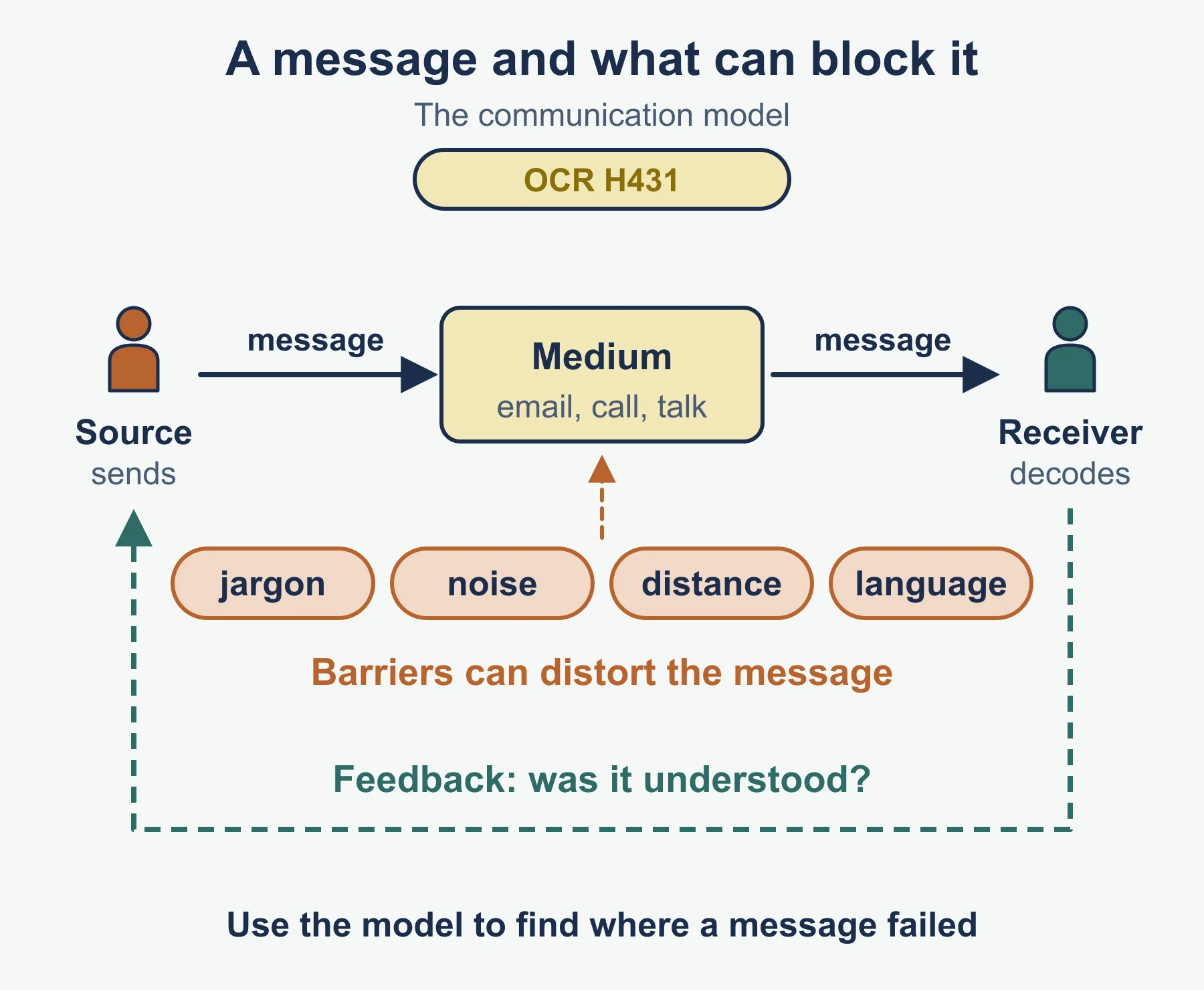
Model: the source sends a message through a medium; barriers (jargon, noise, distance, language) may interfere; the receiver decodes it; feedback shows whether it was understood.
Evaluation: poor communication causes errors, delay, conflict and lost customers. Good communication helps stakeholders understand objectives, which supports achievement of them. The model is useful for diagnosing where a message failed, but real exchanges are less linear.
4. The workforce
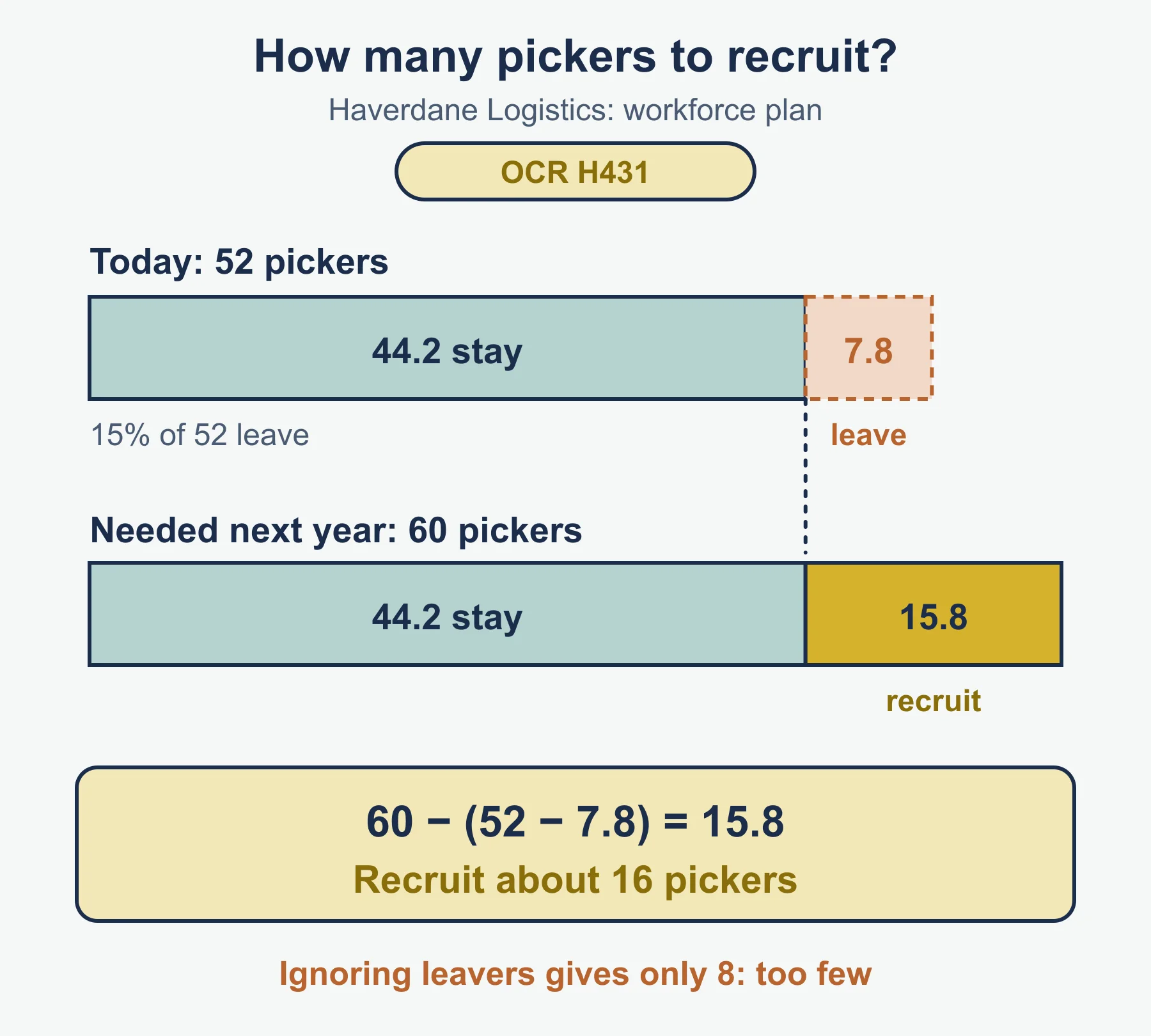
Workforce planning matches the number and skills of staff to future needs. In standard form: staff required, less existing staff after expected leavers, equals recruits needed.
Worked example. Haverdane Logistics needs 60 pickers next year and has 52. Labour turnover is 15%, so about 52 x 0.15 = 7.8 leave, leaving 44.2. Recruits needed: 60 - 44.2 = 15.8, so about 16.
Planning reduces shortages and surplus cost but depends on forecasts that may be wrong.
Flexible working practices:
- Part-time: fewer hours than a full week.
- Flexi-time: choose start and finish within core hours.
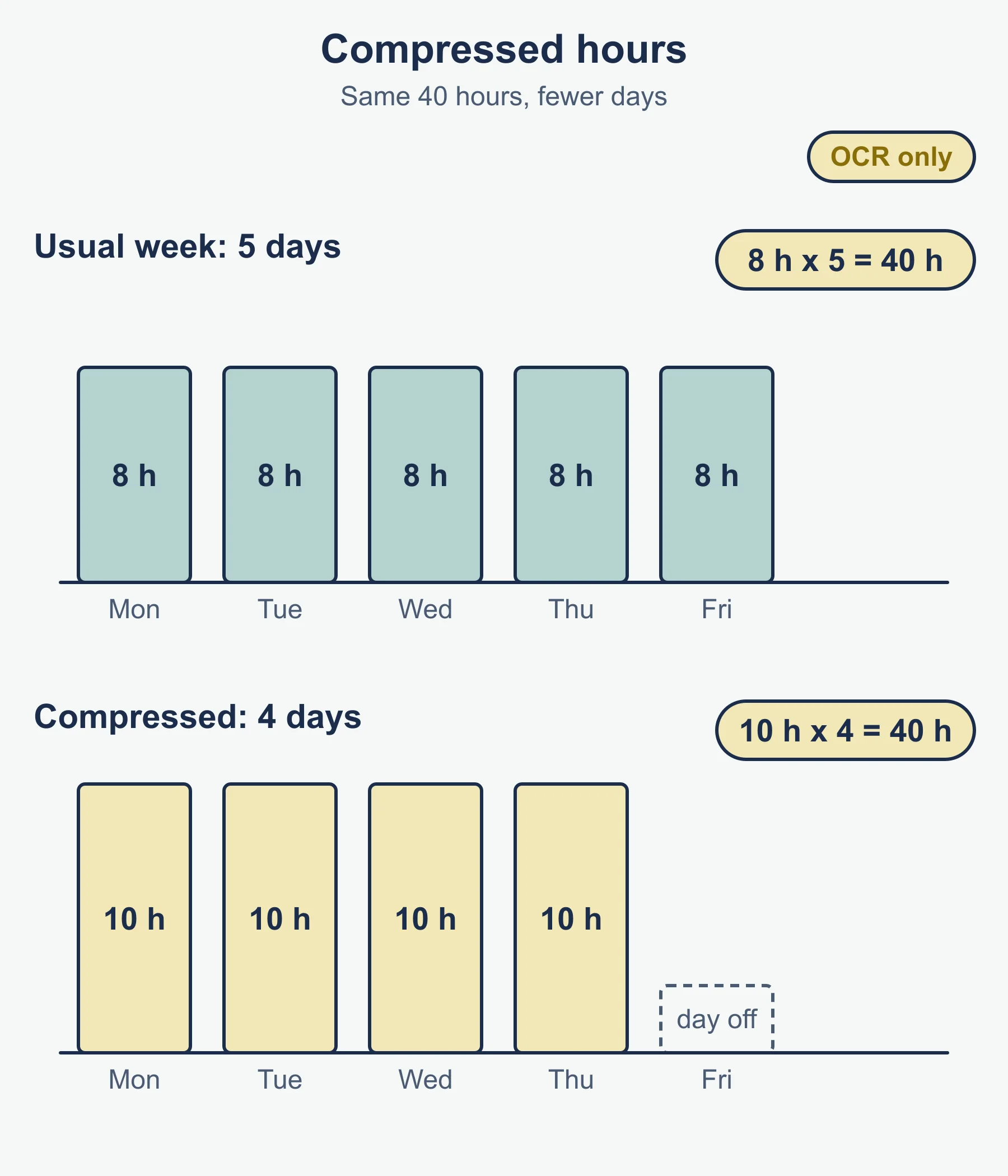
- Compressed hours: full hours in fewer days (40 hours over four days is 10 hours a day).
- Home/remote working.
- Annualised hours: a yearly total (1,800 hours) shared unevenly across seasons.
- Term-time working: paid and working only during school terms.
- Structured time off in lieu: time off replaces overtime pay.
- Job sharing: two people share one full-time post.
- Zero hours contracts: no guaranteed hours.
Benefits: retention, wider recruitment pool, matching staff to demand. Costs: coordination, communication, less security for some workers. Recommend by linking the practice to the business’s demand pattern.
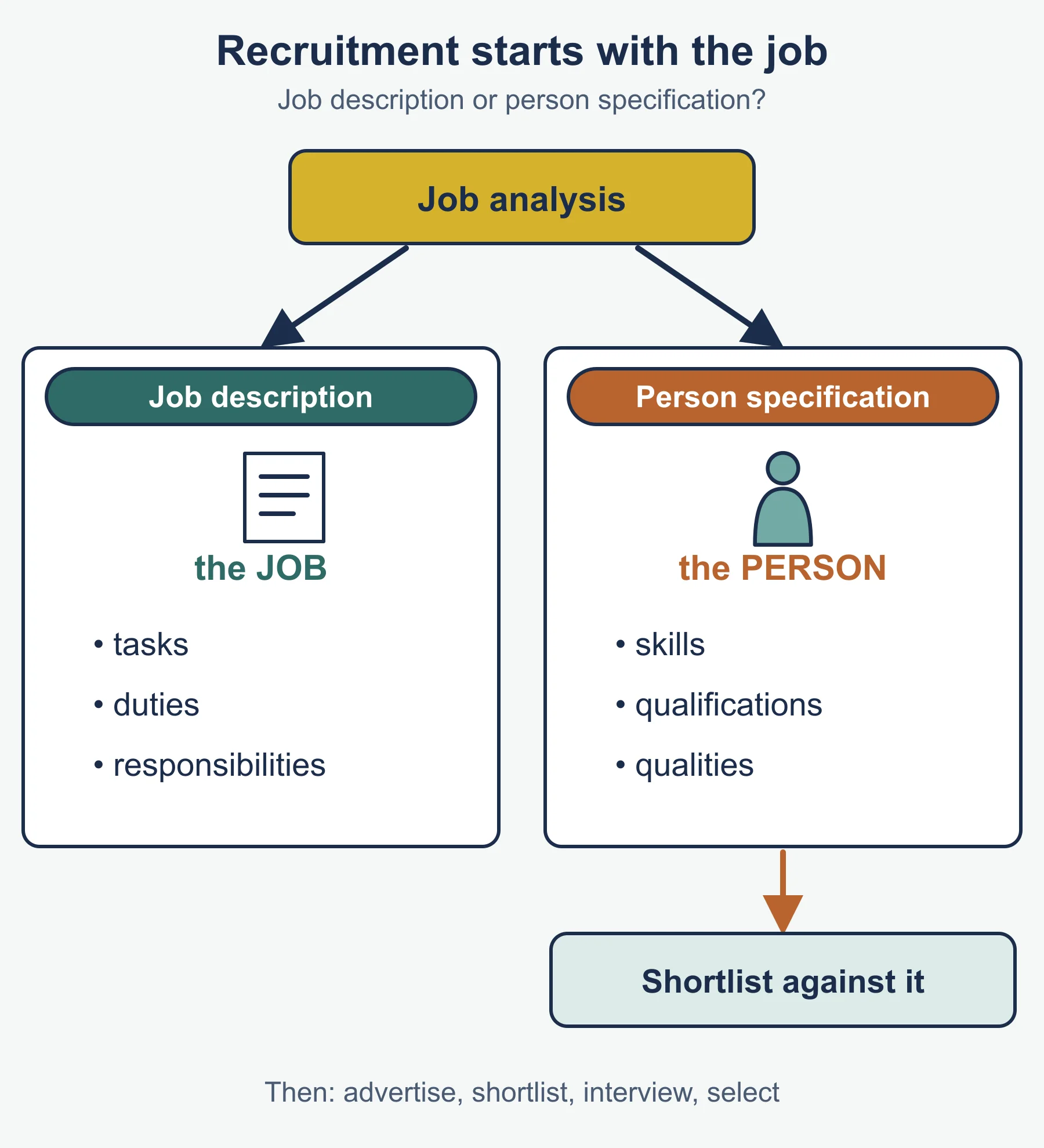
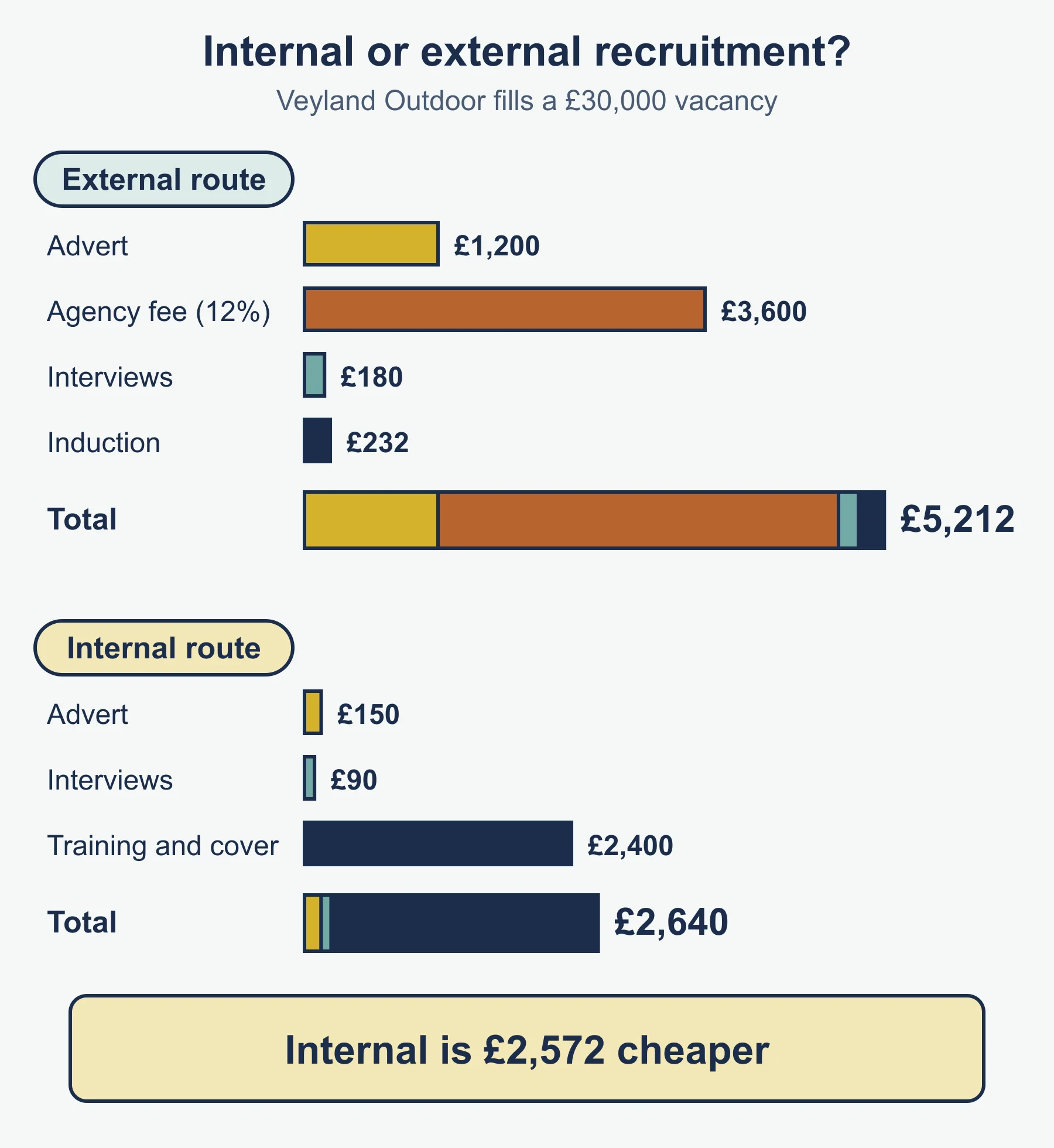
Recruitment fills a vacancy; reasons include growth, leavers, new skills and promotion. A job description lists the title, duties and responsibilities; a person specification lists skills, qualifications and experience; a job advertisement attracts applicants. Internal recruitment is cheaper and motivating but narrows choice and leaves a gap; external recruitment brings new ideas but costs more and takes longer.
Selection chooses between applicants. Methods: application form (consistent), CV, letter of application (shows writing), testing (skills), interview (personal fit, but subjective), work trial (real performance, costly) and references (check history, may be biased). Combine methods to cut the risk of a poor hire, which carries cost for the business, team and customers.
Training develops skills. Induction orients new staff; on-the-job is learning at work; off-the-job takes place away from the workplace. Academic training builds knowledge, vocational training builds job skills, and an apprenticeship combines paid work with study. A training needs analysis (TNA) compares skills required with skills held to find gaps, so money goes where it is needed. Training raises productivity and retention, but trained staff may leave.
5. Appraisal, workforce performance, redundancy and dismissal
Appraisal reviews performance, sets targets and identifies training. Methods: managerial assessment, peer assessment, self-assessment, 360 degree assessment (feedback from managers, peers, subordinates and sometimes customers) and target setting. 360 degree views are rounded but slow; target setting is measurable but can narrow focus.
Measures (standard forms unless stated):
| Measure | Calculation |
|---|---|
| Labour turnover | leavers / average staff x 100 |
| Absenteeism | days absent / total days available x 100 |
| Lateness | late arrivals / total attendances x 100 |
| Productivity | output / number of employees |
| Holiday entitlement | pro rata to days worked |
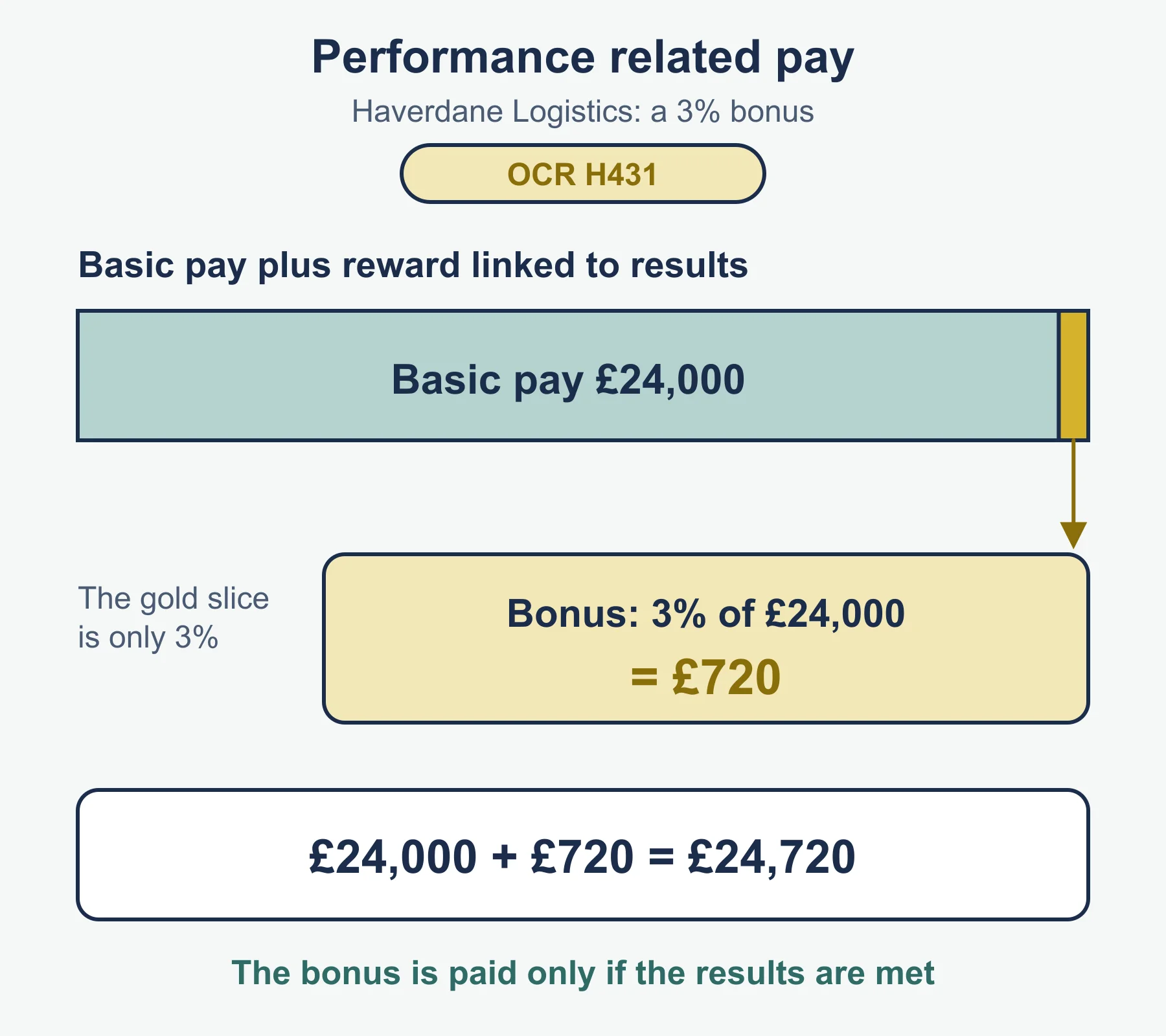
| Performance related pay | basic pay plus reward linked to results |
Worked examples (Haverdane Logistics, 250 average staff).
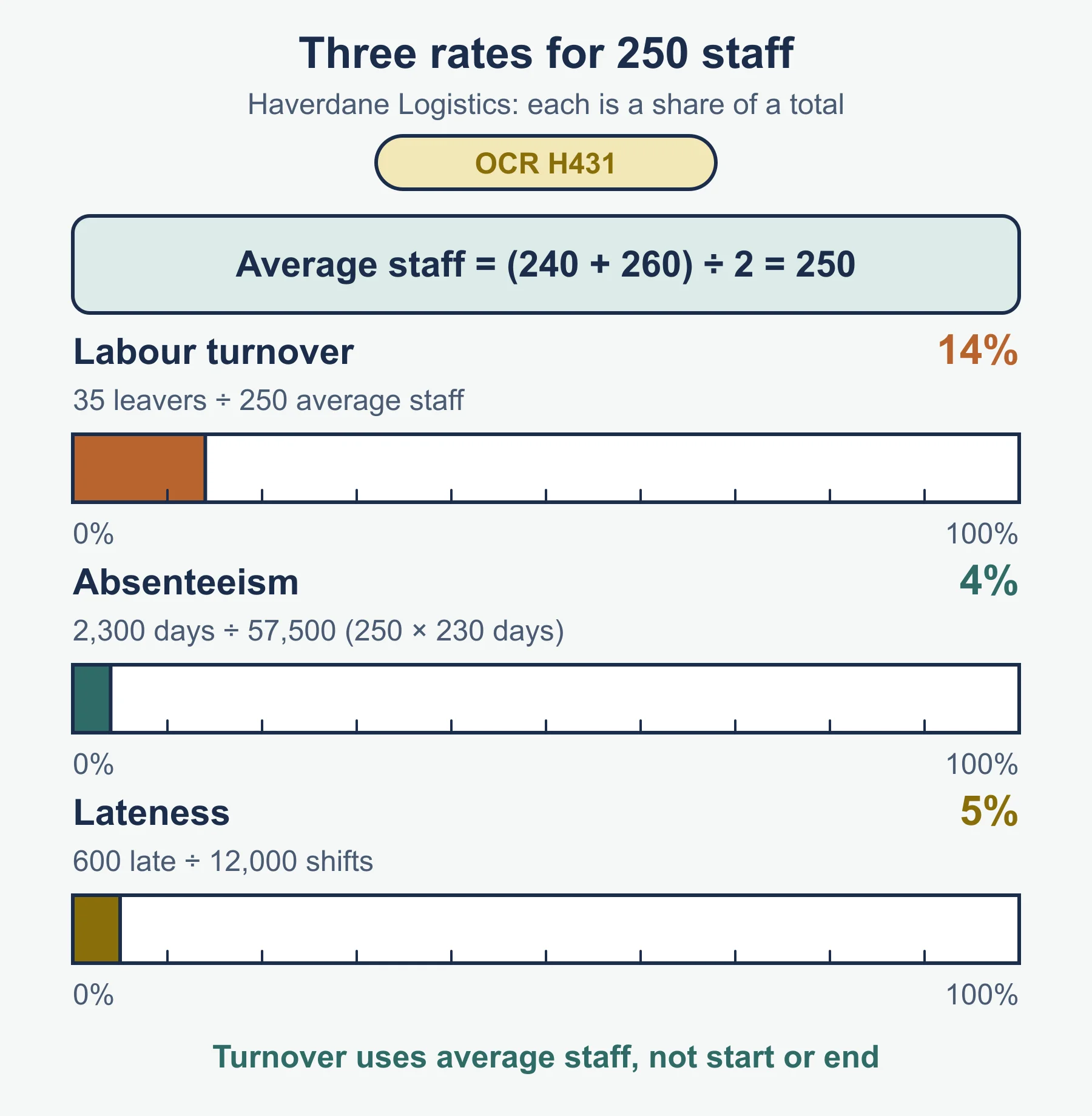
- Staff went from 240 to 260, so average 250. With 35 leavers, labour turnover = 35/250 = 14%.
- 2,300 days absent out of 250 x 230 = 57,500 available gives 4%.
- 600 late arrivals in 12,000 shifts is 5%.
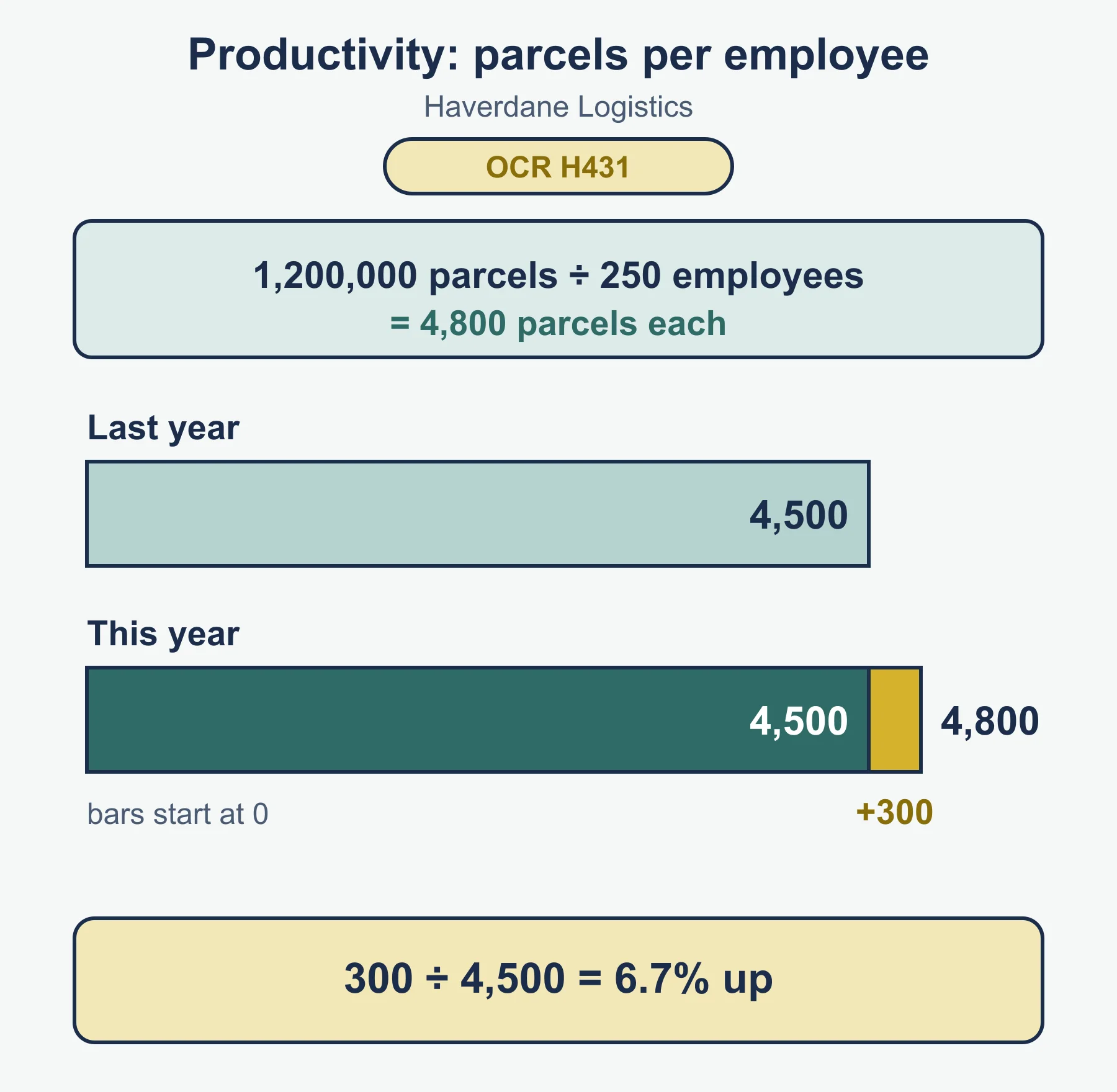
- 1,200,000 parcels / 250 = 4,800 each; against 4,500 last year, up 6.7%.
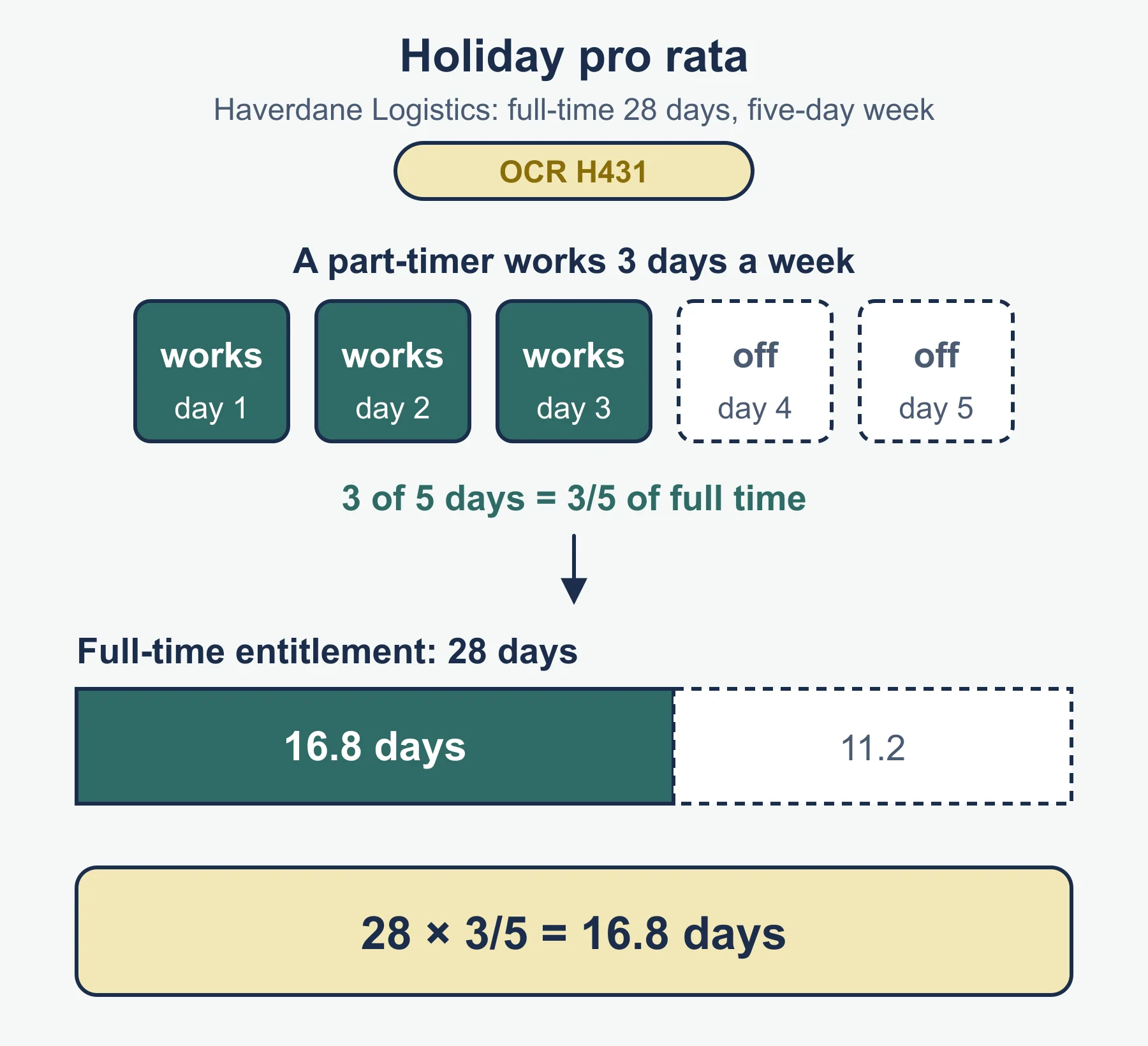
- Holiday: a full-time entitlement of 28 days (five-day week) is 28 x 3/5 = 16.8 days for three days a week.
- Performance related pay: a 3% bonus on a £24,000 salary is £720.
Interpret against past results, targets and rivals, and ask why. High turnover may signal poor pay or management, but some turnover brings fresh ideas. Measures are useful because they are quantified, but they say nothing about quality or reasons. Evaluating employee contribution means weighing output, quality, teamwork and cost of pay.
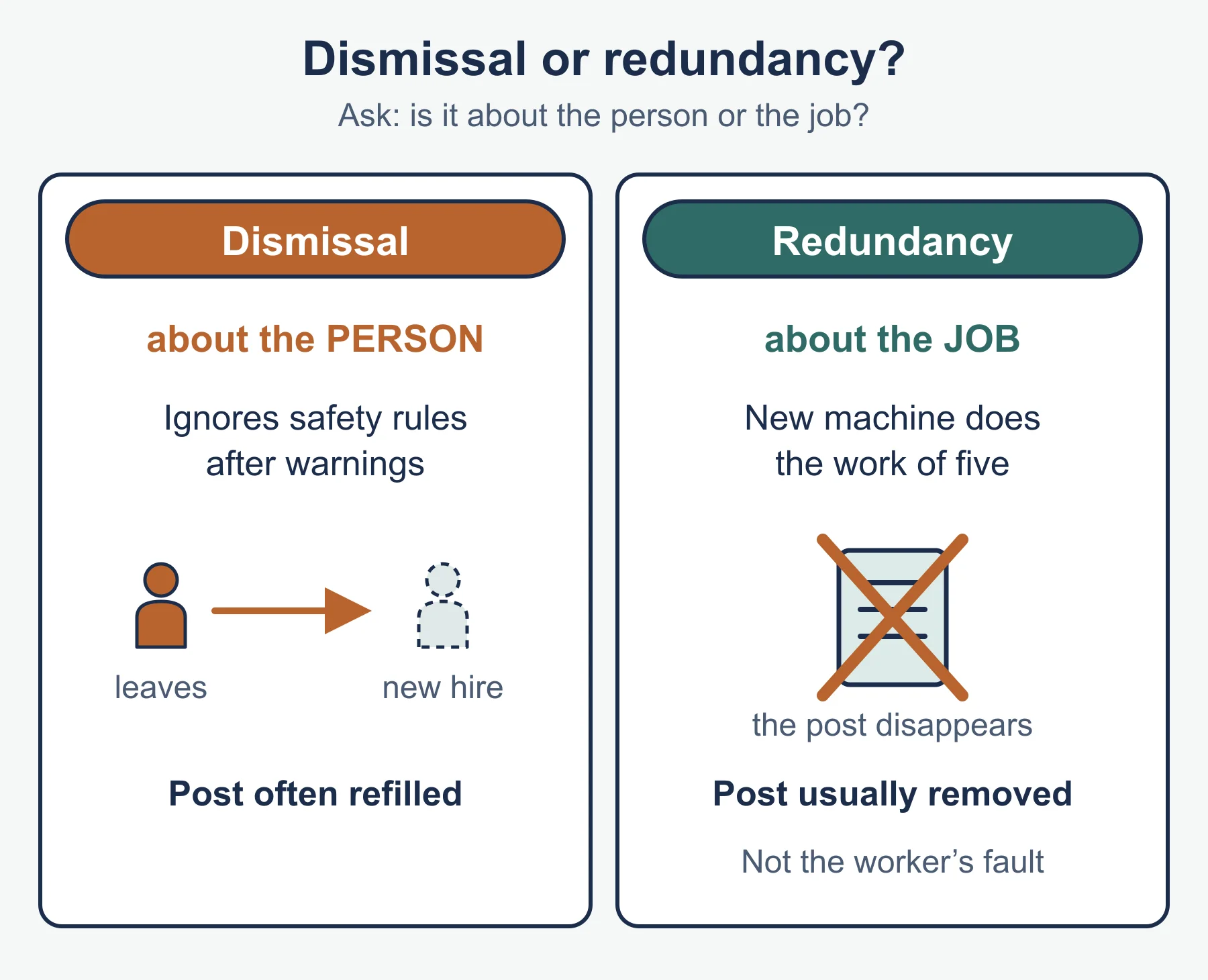
Redundancy is when a job is no longer needed. Dismissal is the employer ending the contract. Fair reasons: capacity, conduct, redundancy and other substantial reason. Unfair reasons include pregnancy, trade union membership, discrimination and whistle blowing. The dismissal procedure in general terms: investigate, warn, hear the employee, decide, and allow appeal. A grievance procedure lets an employee raise a complaint formally with a hearing and appeal. An employment tribunal is a legal body that hears disputes such as claims of unfair dismissal; it gives employees redress and discourages poor practice. Poor handling brings costs, bad publicity and low morale; sound procedures protect both sides.
6. Management and leadership
Management is directing resources to achieve objectives. Standard functions: planning, organising, directing/leading and controlling. Constraints include limited finance, law, staff skills, stakeholders, competition and time. Judge success by objectives achieved, profit, staff satisfaction and stakeholder views.
Leadership is influencing others to follow towards goals.
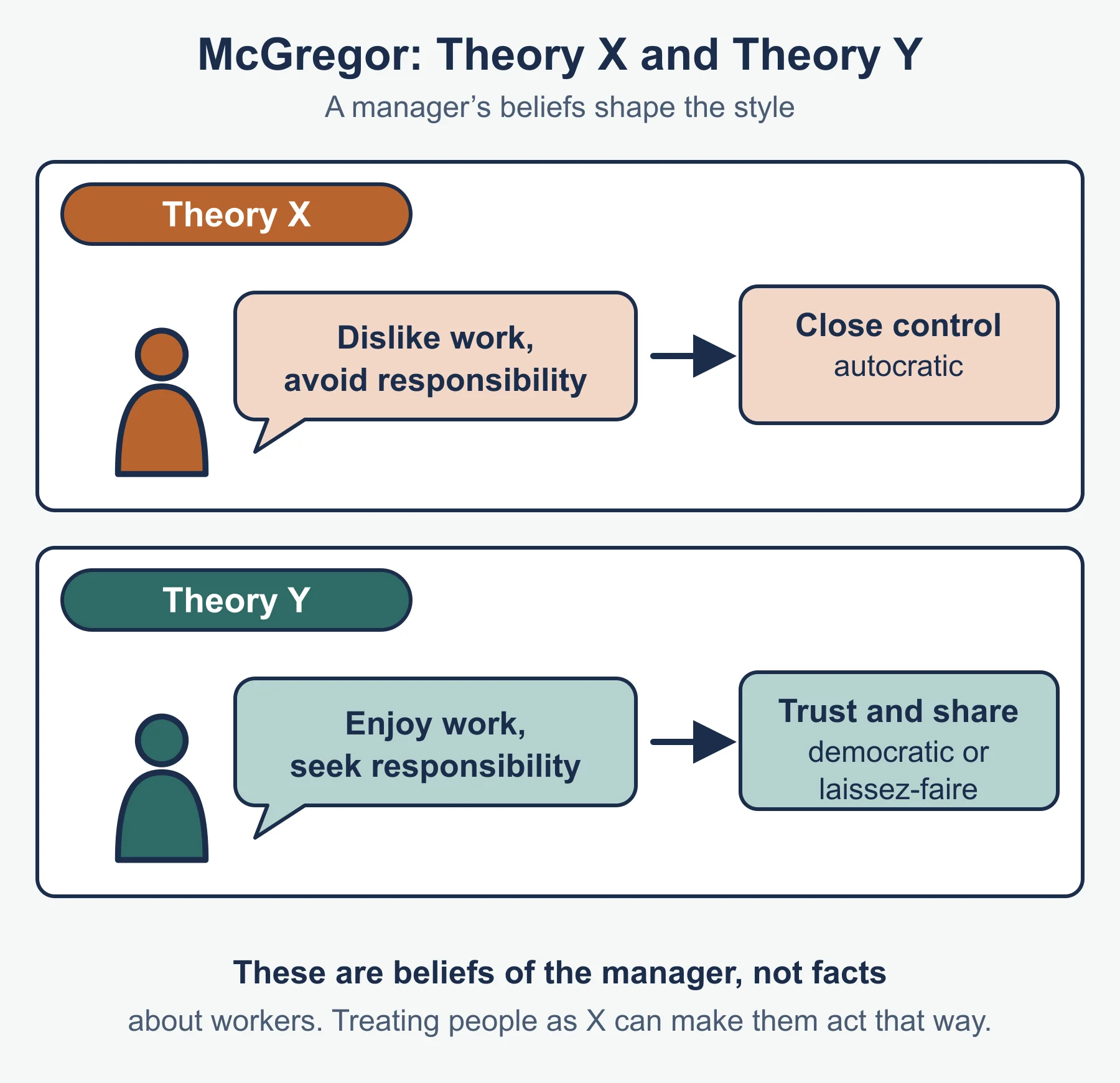
- Trait theory: Carlyle and Galton, leaders are born with qualities. McGregor: Theory X assumes workers dislike work and need control; Theory Y assumes they seek responsibility.
- Behavioural: Blake and Mouton’s managerial grid plots concern for production against concern for people.
- Contingency: Lewin’s styles and Tannenbaum and Schmidt’s continuum, from boss-centred to subordinate-centred, with the best choice depending on the situation.
- Functional: Adair’s Three Circles, balancing task, team and individual.
Styles: autocratic (leader decides), democratic (consults), laissez-faire (staff decide), paternalistic (decides with the staff’s interests in mind). Autocratic suits crises and unskilled work; democratic suits skilled staff. Recommend a style that fits the task, the staff and the time available.
7. Motivation
Motivation is the desire to work to achieve something.
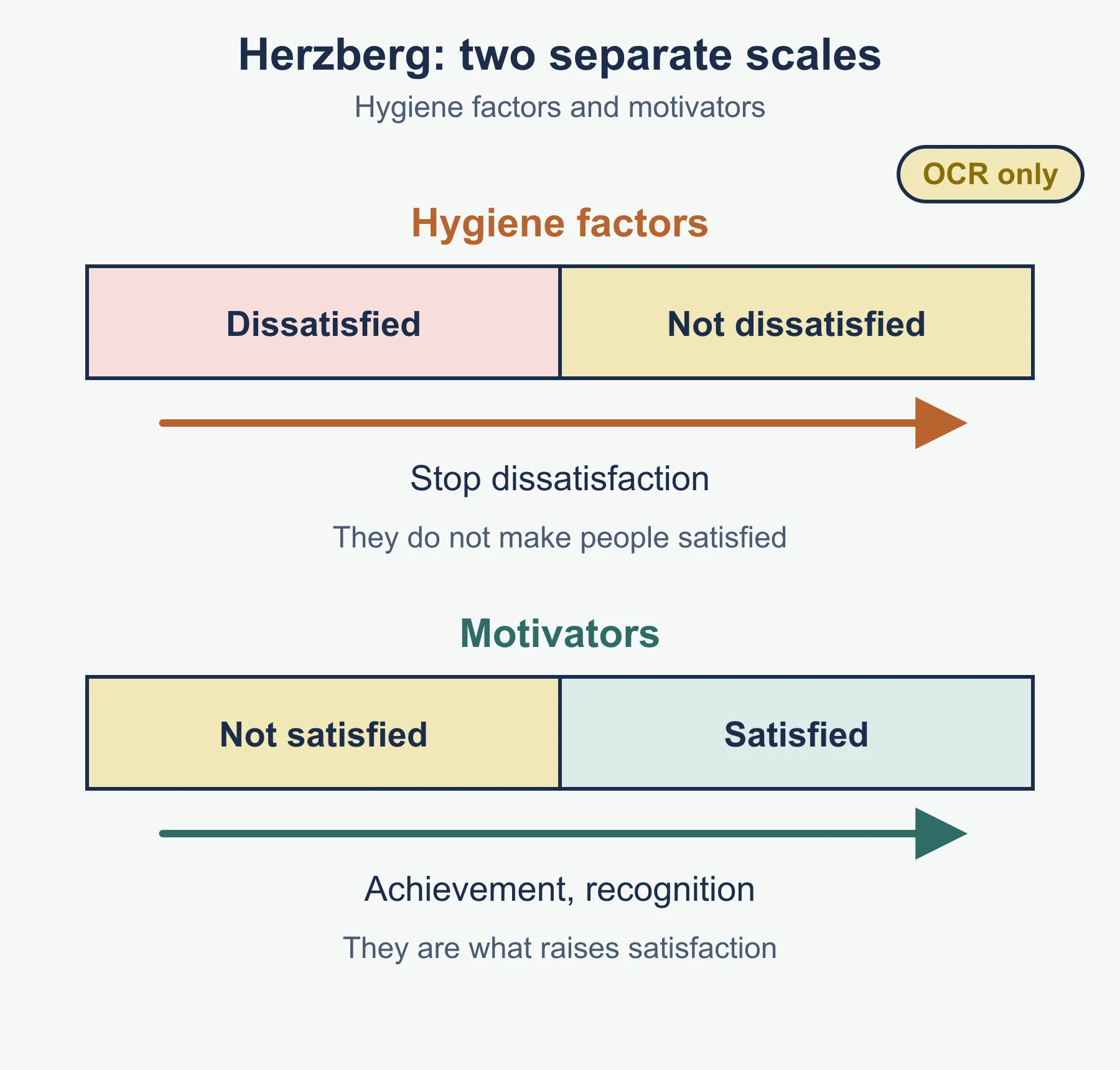
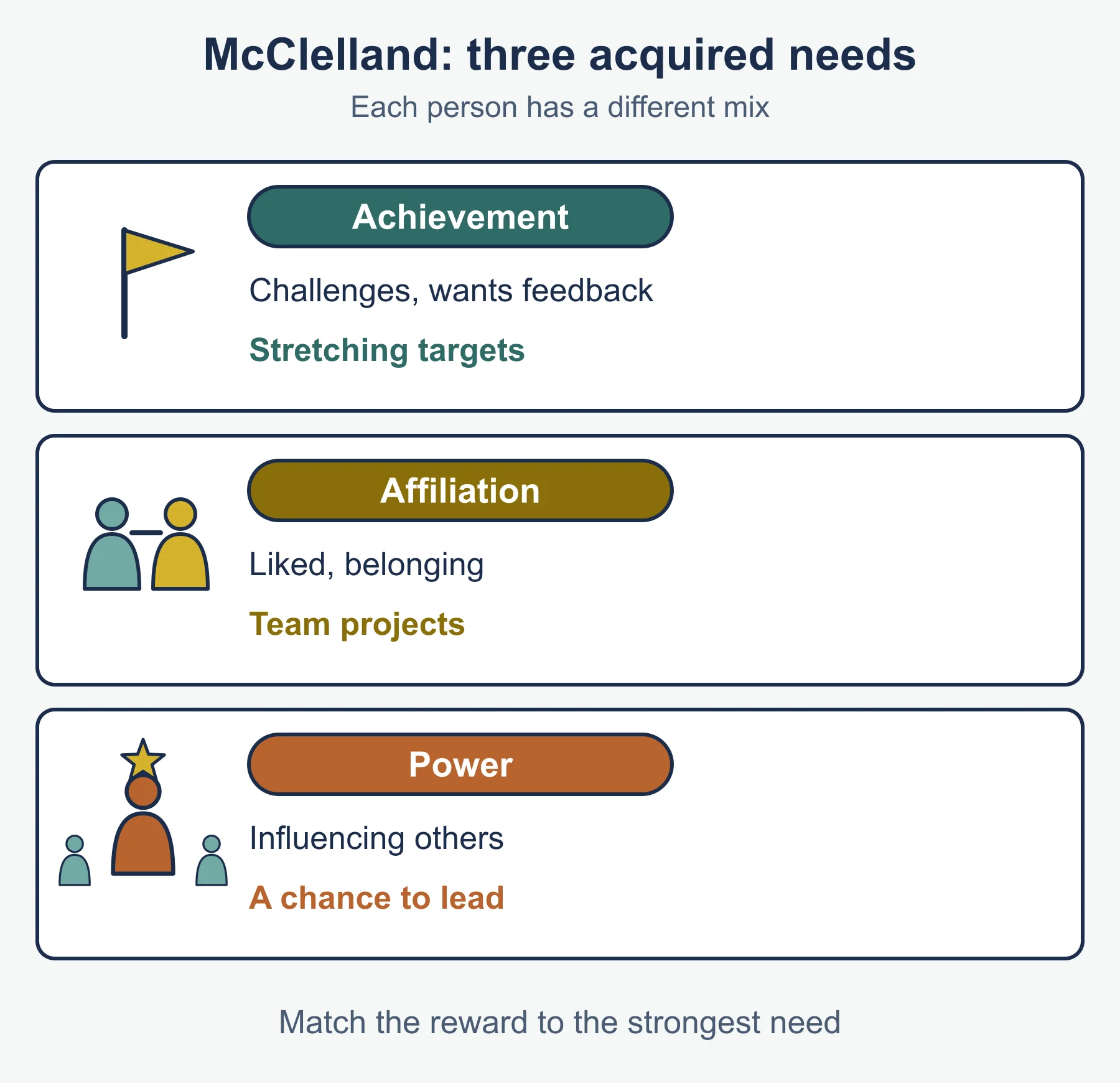
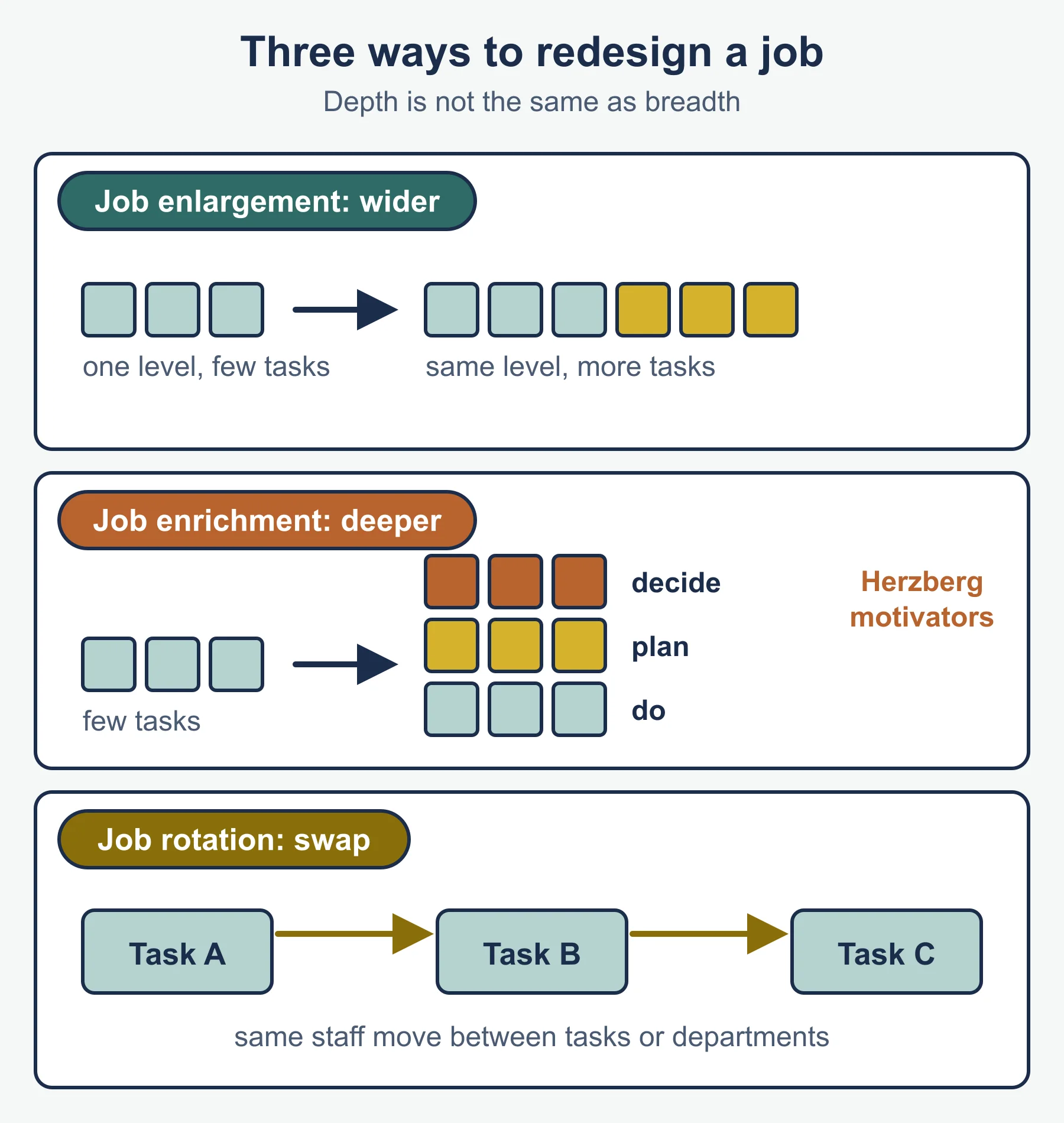
- Content theory: McClelland (needs for achievement, power and affiliation); Herzberg (hygiene factors prevent dissatisfaction, motivators such as achievement and recognition raise it); Maslow (hierarchy from physical needs to self-actualisation).
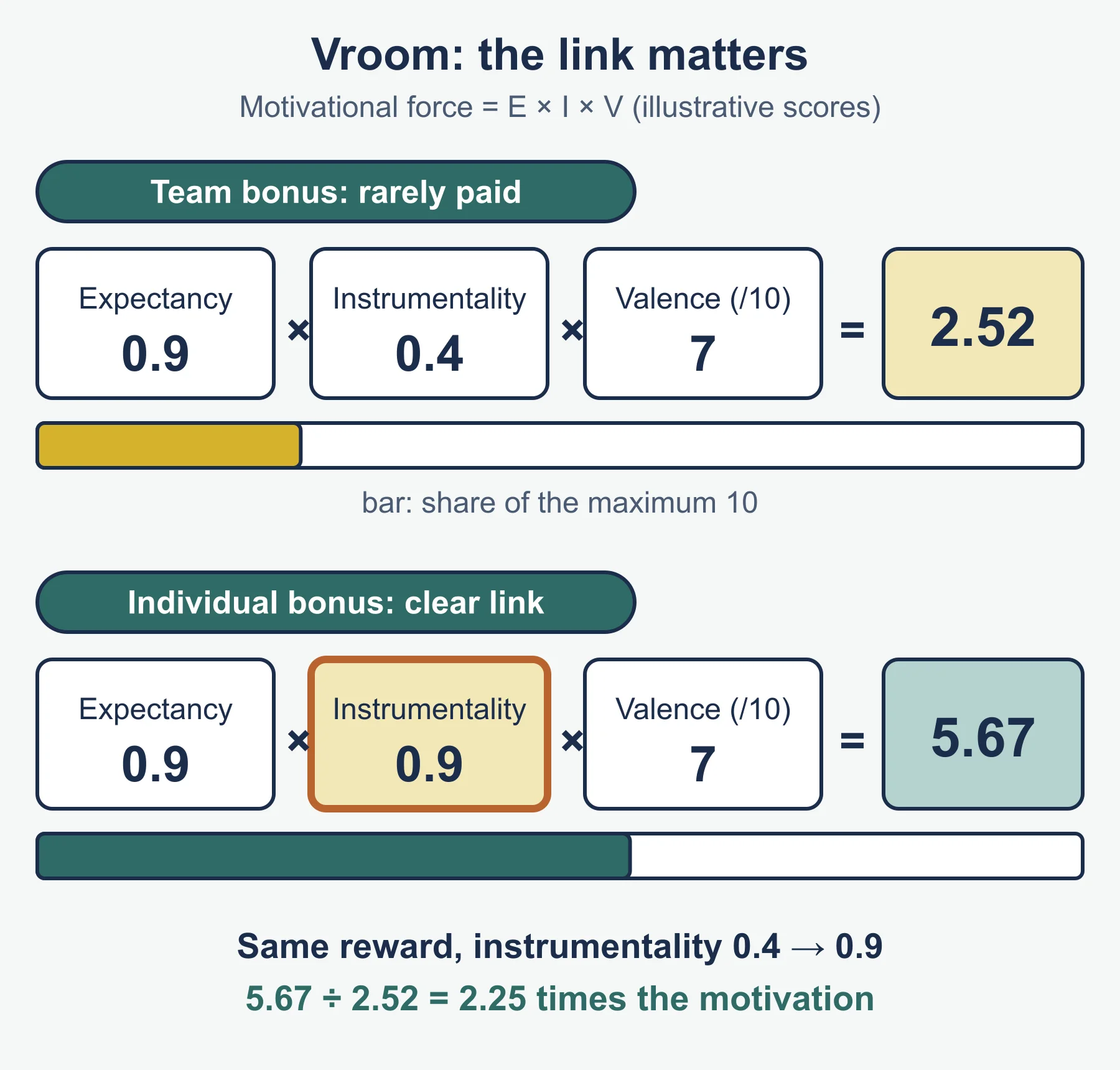
- Expectancy: Vroom, effort depends on expecting that effort leads to performance and that performance gets a valued reward.
- Goal setting: Locke, specific challenging goals raise performance; Drucker’s management by objectives agrees goals between manager and employee.
- Excellence theory: Peters, motivation is supported by autonomy and valuing people.
Monetary methods include pay, bonus and profit share; non-monetary include recognition, job enrichment, training and flexible hours. Motivated staff improve productivity and cut turnover, lifting profit and customer service.
8. Employer/employee relations
Relations are the quality of dealings between management and workers. Good relations bring cooperation, lower turnover and fewer disputes; poor relations bring strikes, absence and tribunal costs.
Legislation in general terms: contracts of employment set out terms; minimum wage sets a pay floor; health and safety requires a safe workplace; equality law bars discrimination; data protection governs personal data; dismissal and grievance rules require fair process. Law raises costs and admin but protects staff and reduces risk.
Employee participation: industrial democracy (workers share in running the business, for example via representatives on the board), participative decision making (staff influence decisions) and works councils (joint forums of managers and staff). They raise commitment but slow decisions.
A trade union is an organisation of workers which represents members. Roles: negotiate pay and conditions, give advice and support in disputes. For employees: stronger voice and protection. For business: a single channel for negotiation, but possible disputes and higher pay costs. The nature of union activity and membership changes over time; where membership or activity falls, bargaining may shift towards individuals and businesses may consult in other ways.
9. External influences
| Influence | Example on human resources |
|---|---|
| Social | Ageing population changes the labour pool |
| Legal | Employment law sets standards |
| Ethical | Fair pay and treatment |
| Environmental | Green skills; remote working cuts travel |
| Economic | Unemployment affects recruitment ease |
| Political | Policy on wages and training |
| Technological | Automation changes skills |
| International | Migration and overseas labour |
Evaluate by size and speed of the effect, whether the business can respond, and the time scale.
10. The human resources strategy
A strategy is the long-term plan combining the topics above. Its impact depends on fit with business objectives, finance and stakeholders. Importance: it aligns hiring, training, pay and structure. Recommend a strategy by choosing a direction, backing it with evidence, weighing risks and reaching a judgement.
Common errors
- Giving a definition and stopping, where the command word is evaluate.
- Using a ratio without average staff.
- Naming a theorist but not applying it.
Frequently asked questions
What is workforce planning? Workforce planning matches the number and skills of staff to future needs: staff required, less existing staff after expected leavers, equals recruits needed. It depends on forecasts that may be wrong.
What flexible working practices are in OCR A Level Business H431? Part-time work, flexi-time, compressed hours, home or remote working, annualised hours, term-time working, structured time off in lieu, job sharing and zero hours contracts.
What is the difference between line and staff relationships? Line relationships link a manager to subordinates in a direct chain of command. Staff relationships are advisory, such as HR specialists advising line managers.
What is Vroom’s expectancy theory? Vroom argued that effort depends on expecting that effort leads to performance and that performance leads to a reward the employee values.
Is high labour turnover always bad? Not always. High turnover may signal poor pay or management, but some turnover brings fresh ideas, so interpret it against past results, targets and rivals.
Official syllabus
Source: OCR A Level in Business (H431), Version 2.1 (January 2026), published by OCR; Human resource management, Human resources and strategy content headings.
Get free revision emails (optional)
Occasional emails with practice questions, worked explanations and links to free resources for the qualification and subjects you choose. No spam, and you can unsubscribe from any email. The free tools on this site never need an email.
Related resources
-
Practice questions
OCR A Level Business: Human resources (H431) – Practice Questions
Original practice questions with worked answers on Human resources for OCR A Level Business H431: short answers, calculations and cases.
Business · OCR · A Level
Try questions -
Revision notes
OCR A Level Business: Human resources (H431) – Revision Notes
Condensed revision notes for the whole Human resources topic of OCR A Level Business H431, with formulas, theories and a self-test.
Business · OCR · A Level
Revise topic -
Study guides
OCR A Level Business: Market forces, physical and non-physical markets, competition, dominance (H431)
Study guide to market forces, physical and non-physical markets, competition and market dominance for OCR A Level Business H431, with worked examples.
Business · OCR · A Level
Read guide
Related articles
-
teaching
A Level tuition in Dubai: Cambridge or Pearson Edexcel International A Level?
Schools in Dubai and Abu Dhabi teach either Cambridge International AS & A Level or Pearson Edexcel International A Level. How the two are structured, why it matters for tuition, and how online classes from Lahore work.
9 October 2026
-
curriculum guides
Choosing subjects at IGCSE and A Level
How subject choices at 14 and 16 affect university options later, and how to keep pathways open without overloading a timetable.
28 July 2026
Studying this with a teacher
Working through Business A LEVELS?
This page is free and stays free. If you would rather be taught it, Marlbridge runs Business classes one-to-one, online in your own time zone. One-to-one only for this course: Rs 6,000 per class in Pakistan, with other currencies on the fees page. The first trial class is free. WhatsApp replies within an hour (8am–11pm Pakistan time, every day); email the same day.
OCR Business teachers at Marlbridge
