
Revision Notes
OCR GCSE Business: Influences on business and The interdependent nature of business (J204) – Revision Notes
Condensed revision notes on ethical, environmental, economic and global influences, risk and reward, and linking business functions, for OCR GCSE Business.
- Subject
- Business
- Level
- GCSE
- Topic
- Operations, finance and influences on business
- Author
- Marlbridge Academic Team
- Updated
- Reviewed by
- Salman Ahmad (what this means)
Aligned to OCR GCSE Business (J204), Version 2.0 (January 2026), for first assessment in 2019. Official specification .
Syllabus page (what it covers and how it is assessed): OCR GCSE Business.
Syllabus points this page covers
J204
- 6 Influences on business
- 7 The interdependent nature of business
Found an error? Report a correction.
Need help with this topic? Request a free trial class for GCSE Business (J204).
These are quick-recall notes for sections 6 (Influences on business) and 7 (The interdependent nature of business) of OCR GCSE (9-1) Business (J204), Version 2.0 (January 2026), first assessment 2019. Both are part of Business 2: operations, finance and influences on business. For full explanations and worked examples, read the study guide, then test yourself with the practice set.
Wider component revision is in the operations, finance and influences revision notes. Also see the study guide for the whole component and its practice questions. Links: OCR GCSE Business hub, checklist, free diagnostics.
Key terms
| Term | Meaning |
|---|---|
| Ethical consideration | A question of right and wrong a business weighs in a decision |
| Sustainability | Using resources so they are not used up for the future |
| Pollution | Harm to air, water or land from a business’s activity |
| Economic climate | The general state of the economy in which a business trades |
| Consumer income | What households have available to spend |
| Unemployment | People who want work but cannot find it |
| Globalisation | Economies becoming more connected, so trade and investment cross borders more easily |
| Multinational | A business operating in more than one country |
| International branding | Selling under a brand recognised across several countries |
| Interdependence | Each business function relies on the others |
| Risk | The chance that a decision turns out badly |
| Reward | The benefit if a decision works |
Section 6.1: ethical and environmental
Ethical areas named in the specification:
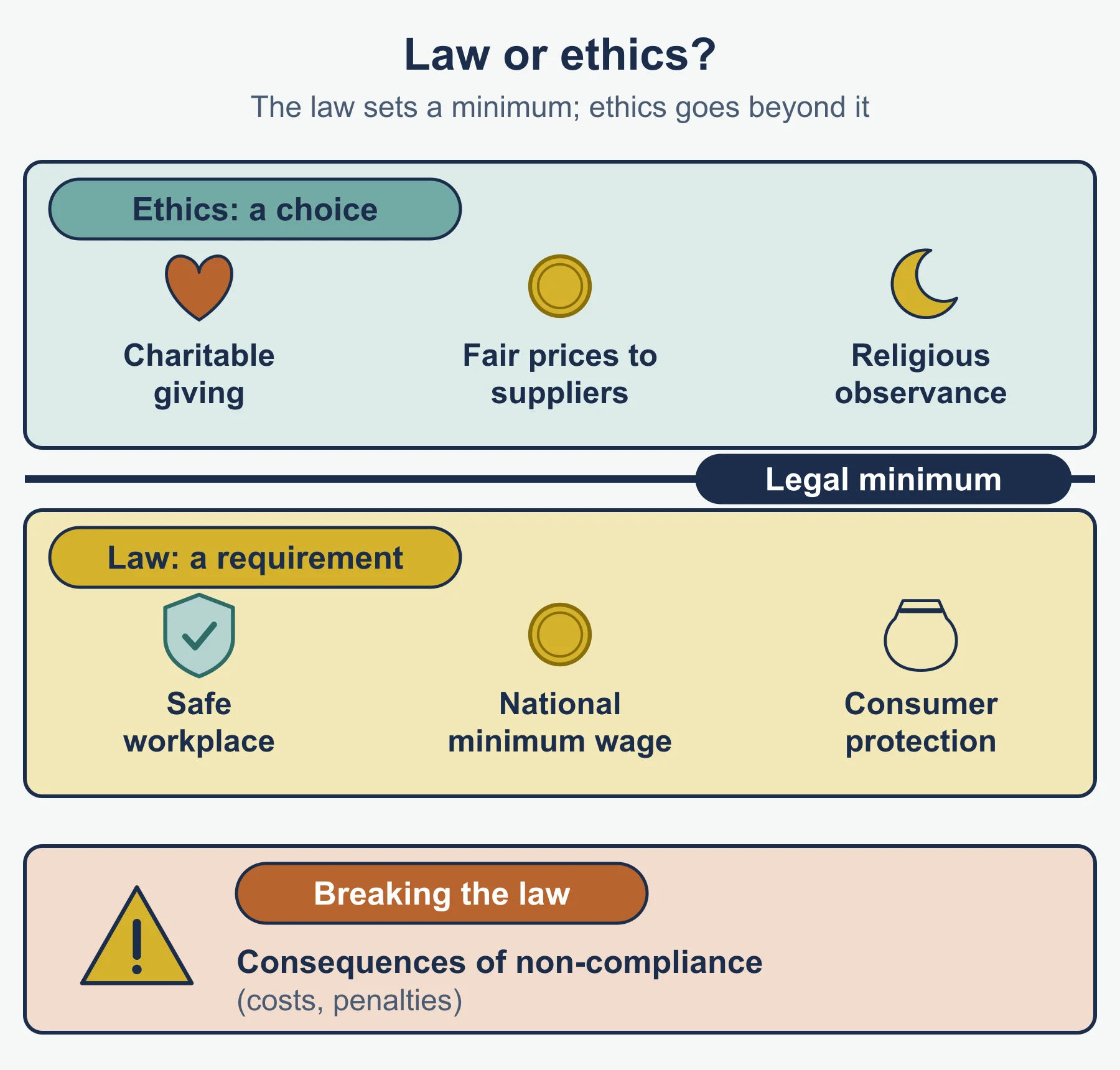
- treatment of workers, suppliers and customers
- sourcing of materials
- marketing decisions.
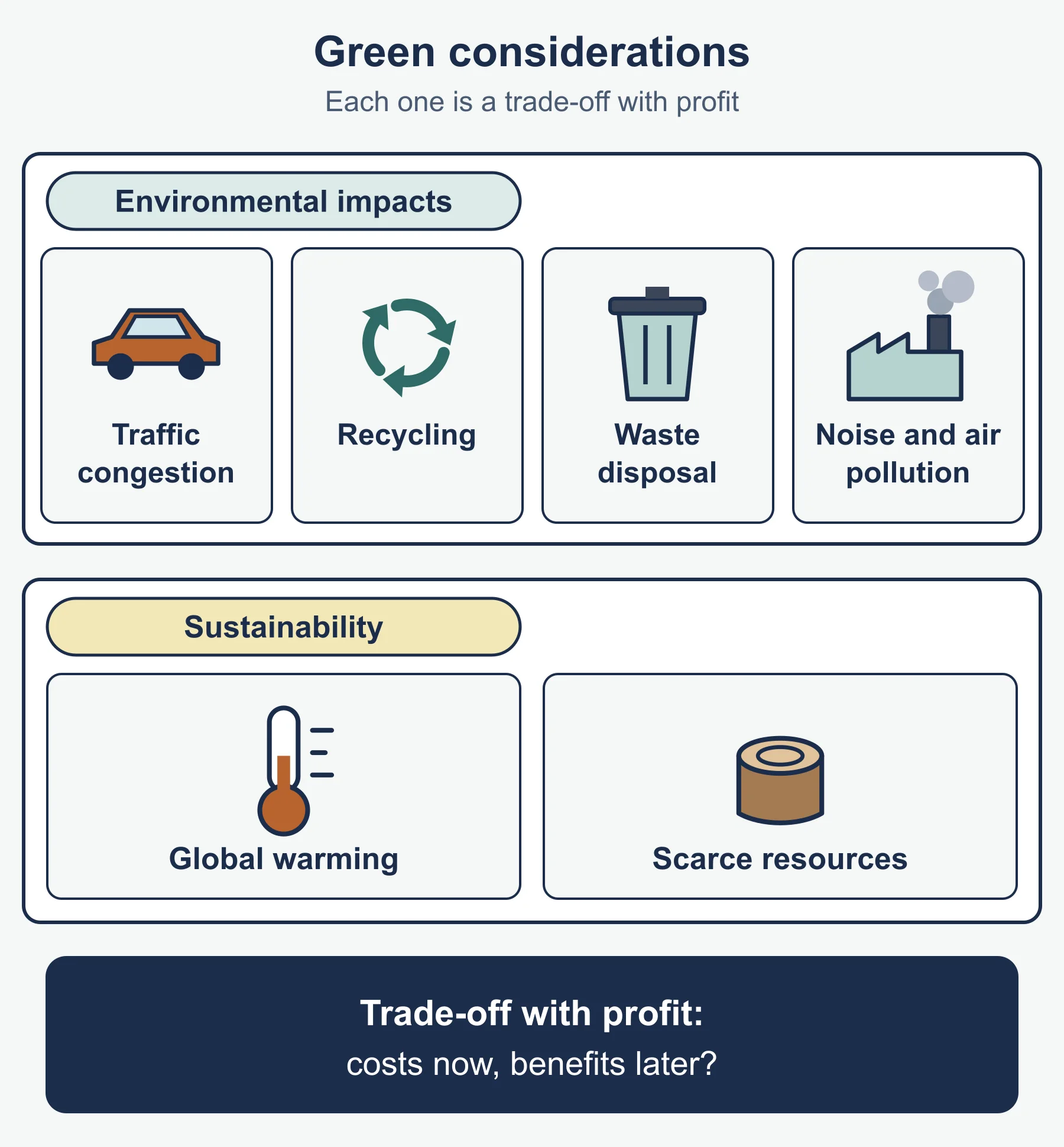
Environmental areas named in the specification:
- sustainability
- waste disposal
- pollution
- climate change.
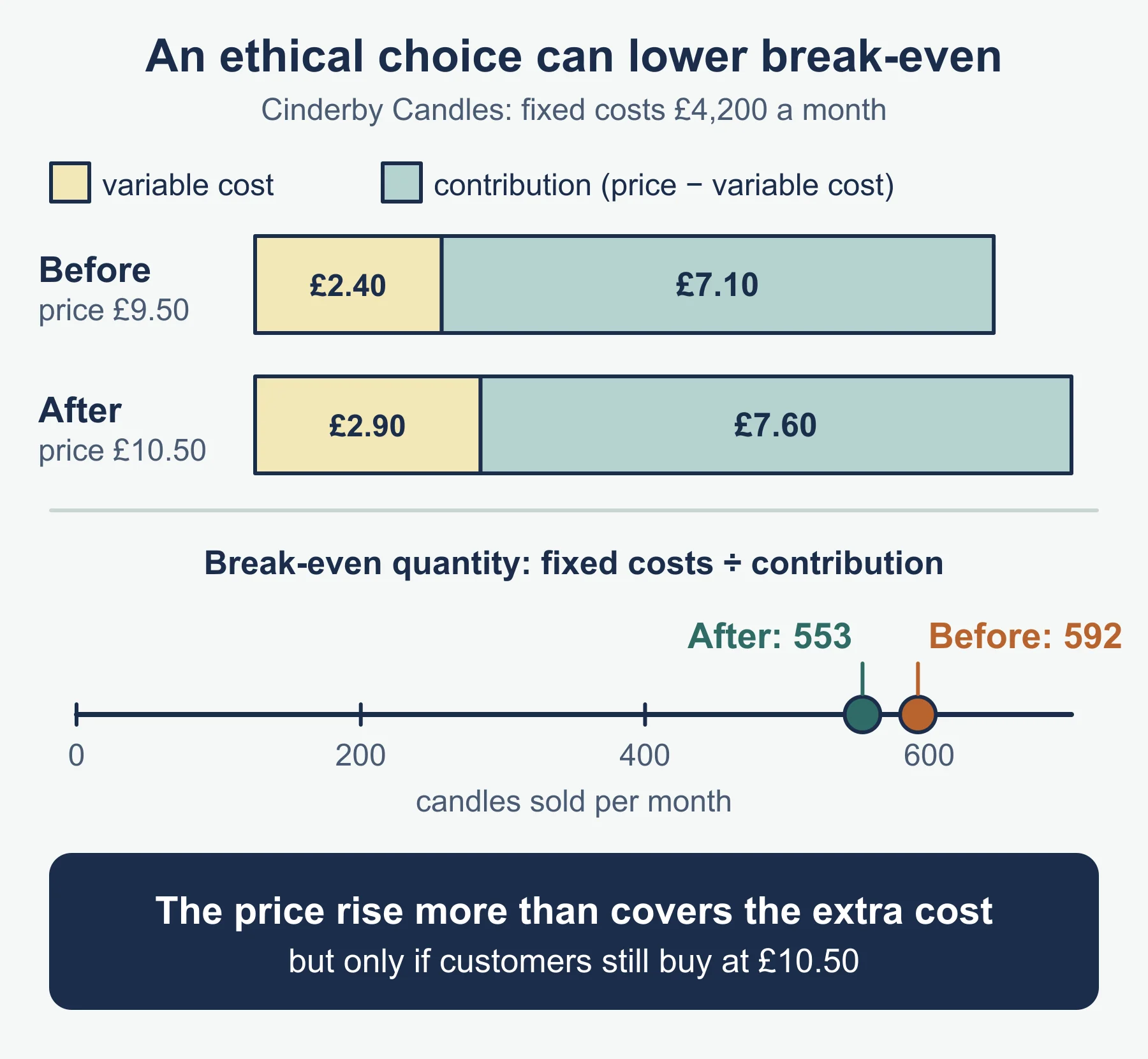
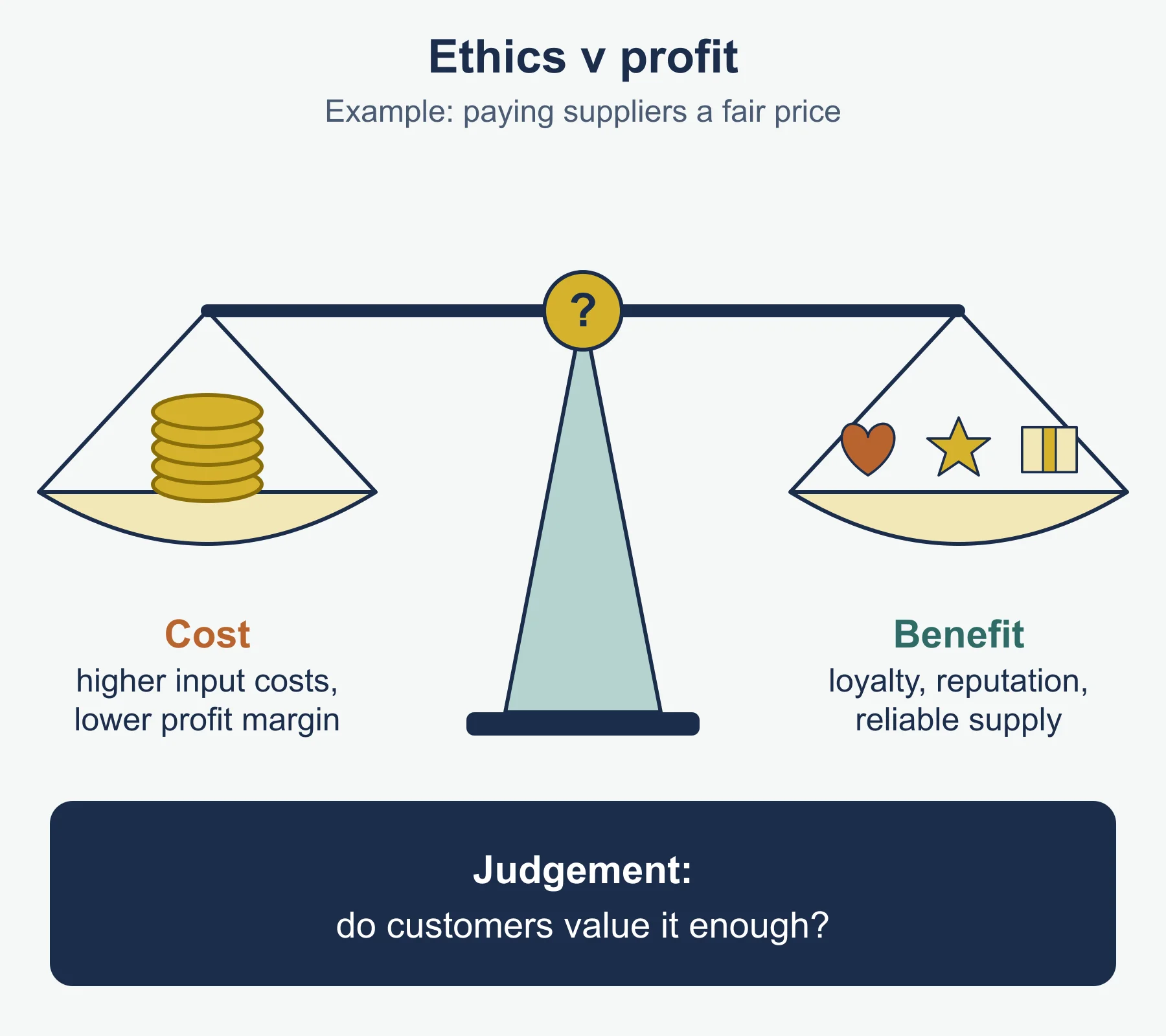
For each, remember the three links: cost (higher or lower), reputation (better or worse) and customers (more or fewer). Most answers lose marks because they name an issue and stop. The chain should read: issue, effect on the business, effect on money or reputation.
Typical responses by a business:
- Change what it makes (less packaging).
- Change how it makes it (cut energy use, reduce waste).
- Change where it buys (a supplier with fair working conditions).
- Change what it says (honest marketing).
Section 6.2: the economic climate
| Change | Likely effect on a business |
|---|---|
| Consumer income rises | More demand, especially for non-essentials; may need more stock and staff |
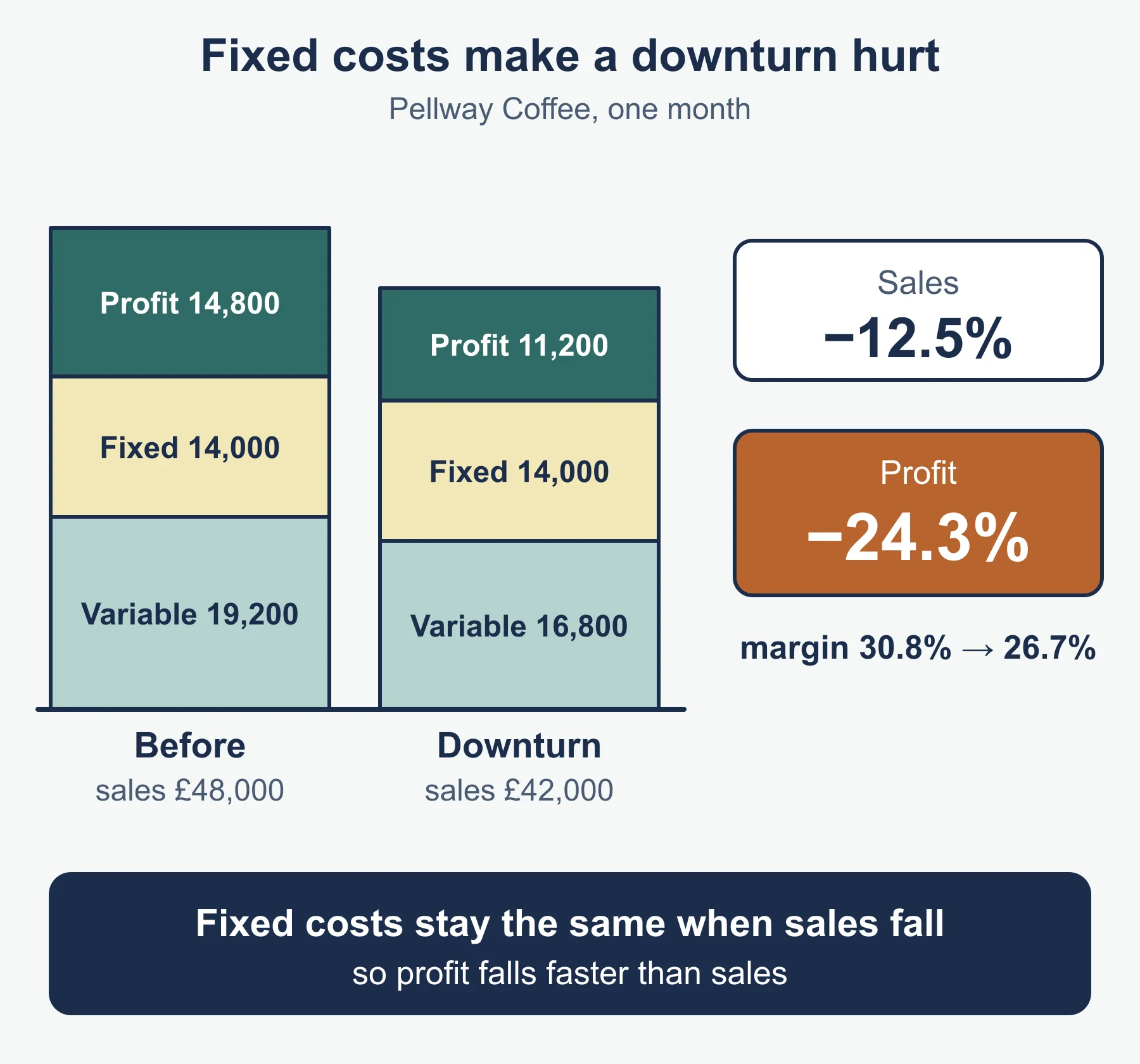
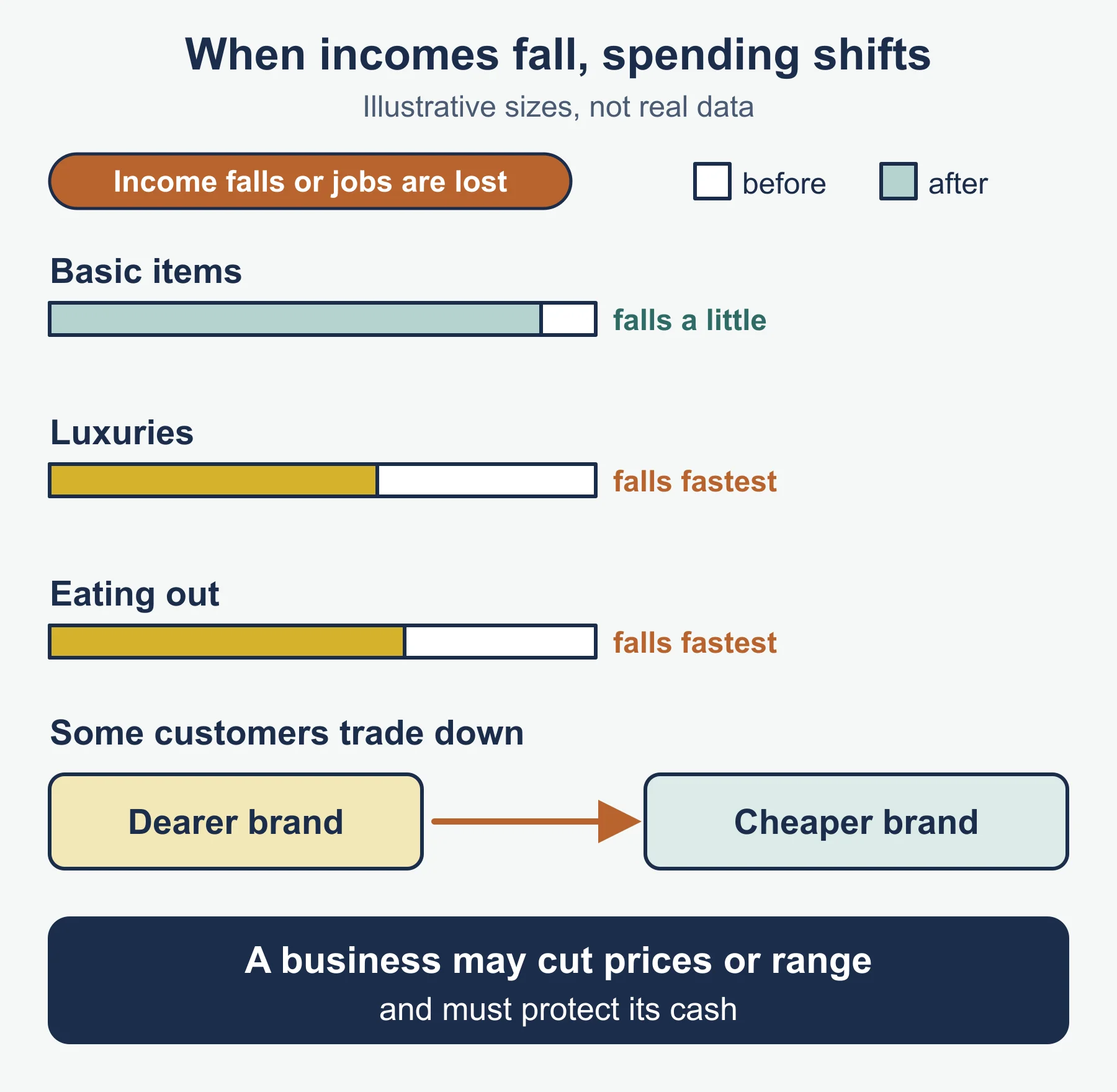
| Consumer income falls | Less demand; customers trade down to cheaper options |
| Unemployment rises | Fewer people with wages; demand weakens; more job applicants for each vacancy |
| Unemployment falls | More spending; harder to recruit; wages may rise |
Responses: adjust prices, offer cheaper ranges, cut costs, protect cash, change marketing messages. Always say which goods are affected. Basic goods usually hold up better than luxuries.
Section 6.3: globalisation
Four impacts to name from the specification:
- growth of multinational companies
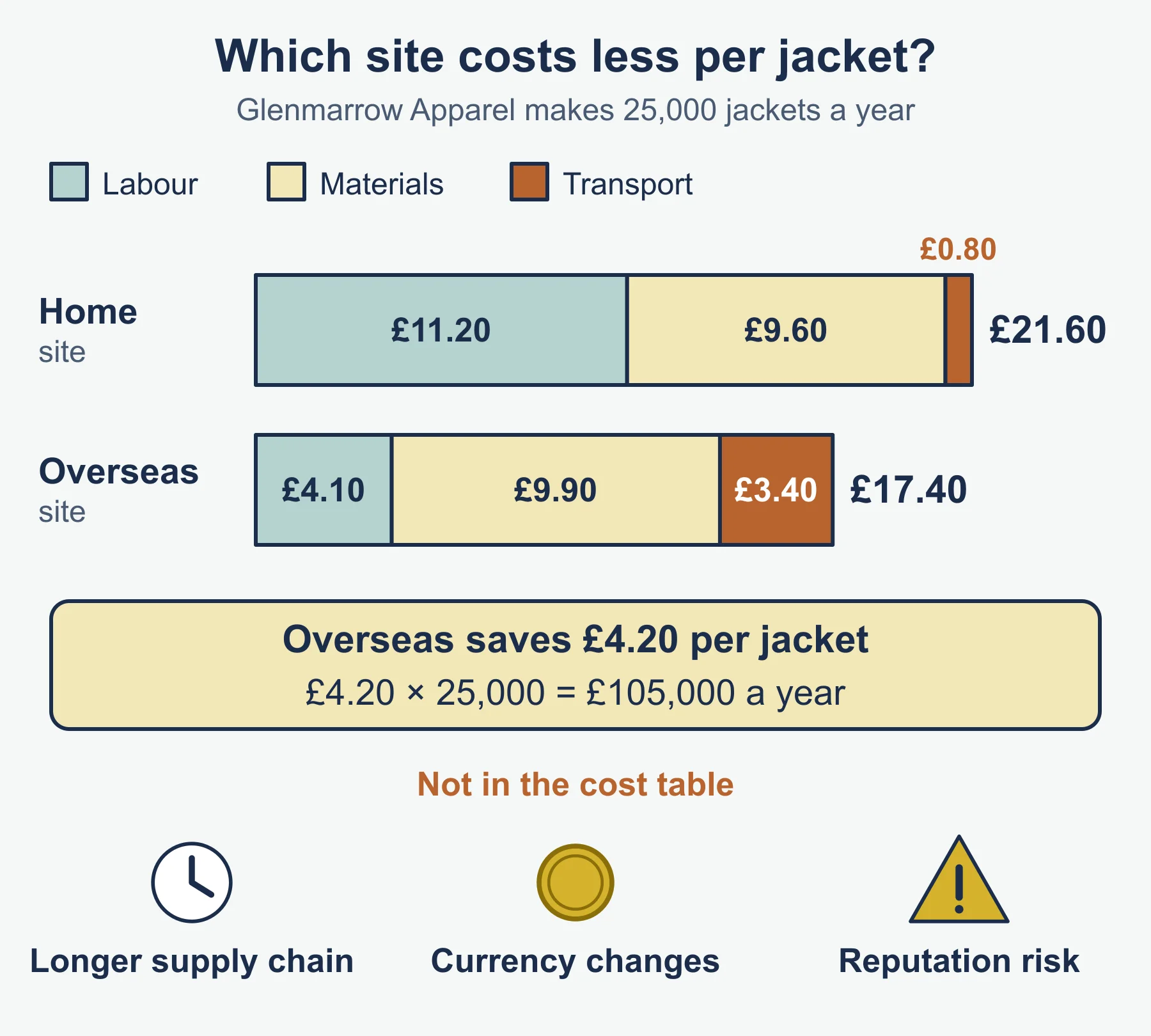
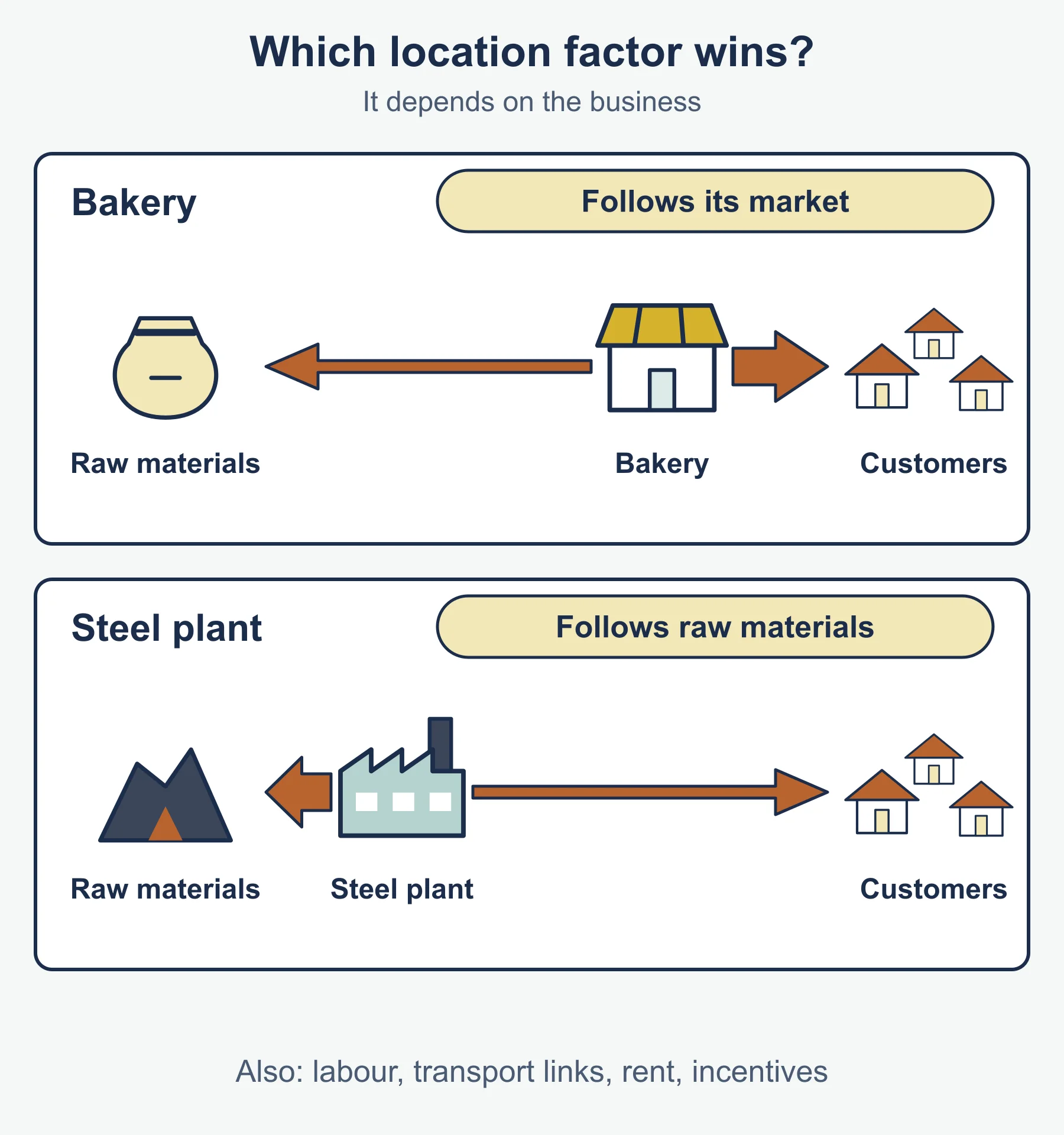
- influences on business location (costs, proximity to market, labour and materials)
- international branding
- how businesses compete internationally.
Opportunity side: larger markets, cheaper inputs, wider choice of sites, a stronger brand. Risk side: tougher competition, longer supply chains, changes in exchange rates, reputation harm if conditions in other countries are criticised.
Method for an evaluate or justify answer
- Make a point for the decision, with a reason linked to the business in the question.
- Make a point against, with a reason.
- Compare the two using something specific to the case (size, cash, product type, customers).
- State a judgement and give the main reason for it.
Section 7: interdependence, risk and reward, financial information
Linking the four functions
| If this happens | Check these |
|---|---|
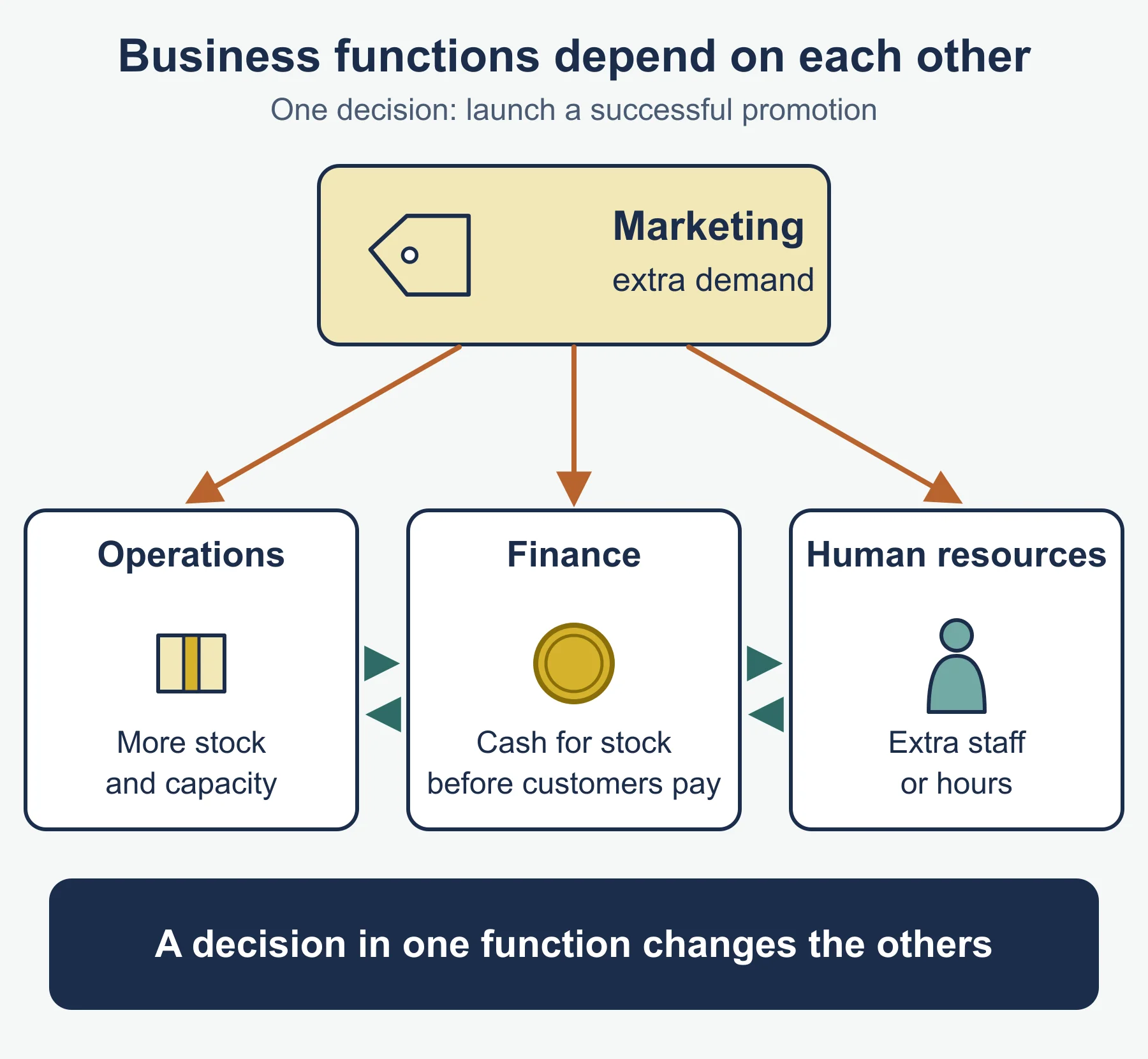
| Orders rise | Operations: capacity and stock. Finance: cash needed up front. Human resources: staff hours. Marketing: can the extra demand be met? |
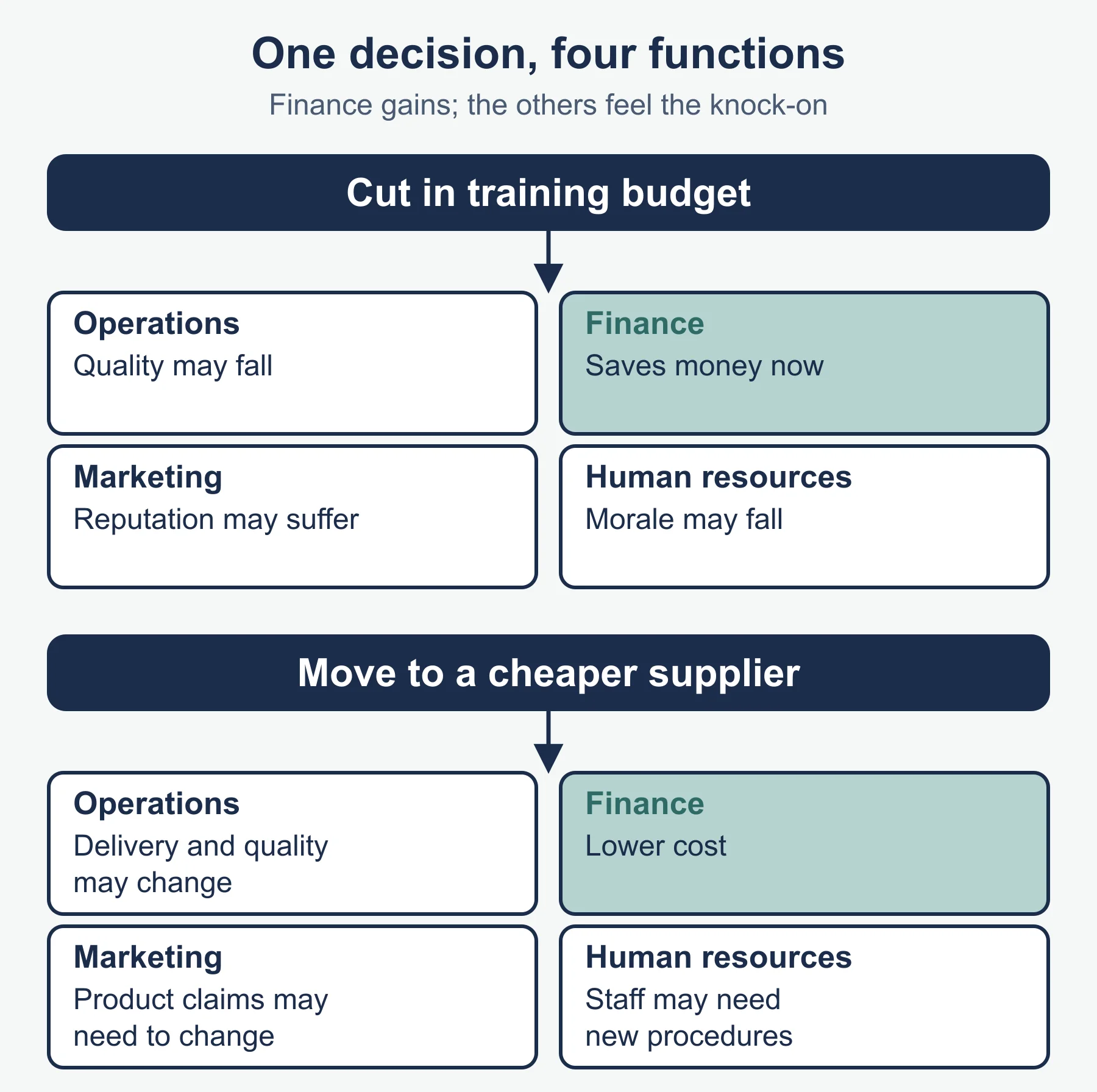
| Costs are cut | Quality, staff morale, reputation, customer service |
| New product launched | Marketing: price and promotion. Operations: production method. Finance: funding. Human resources: skills |
Risk and reward
- Higher possible reward usually means higher risk.
- Reduce risk by researching first, starting small, keeping cash reserves and spreading sales.
- In an exam answer, name both the reward (profit, growth, reputation) and the risk (losses, lost cash, damaged reputation).
Financial information: formulas
| Measure | Form |
|---|---|
| Gross profit | revenue - cost of sales |
| Net profit | gross profit - other expenses |
| Gross profit margin | gross profit / revenue x 100 |
| Net profit margin | net profit / revenue x 100 |
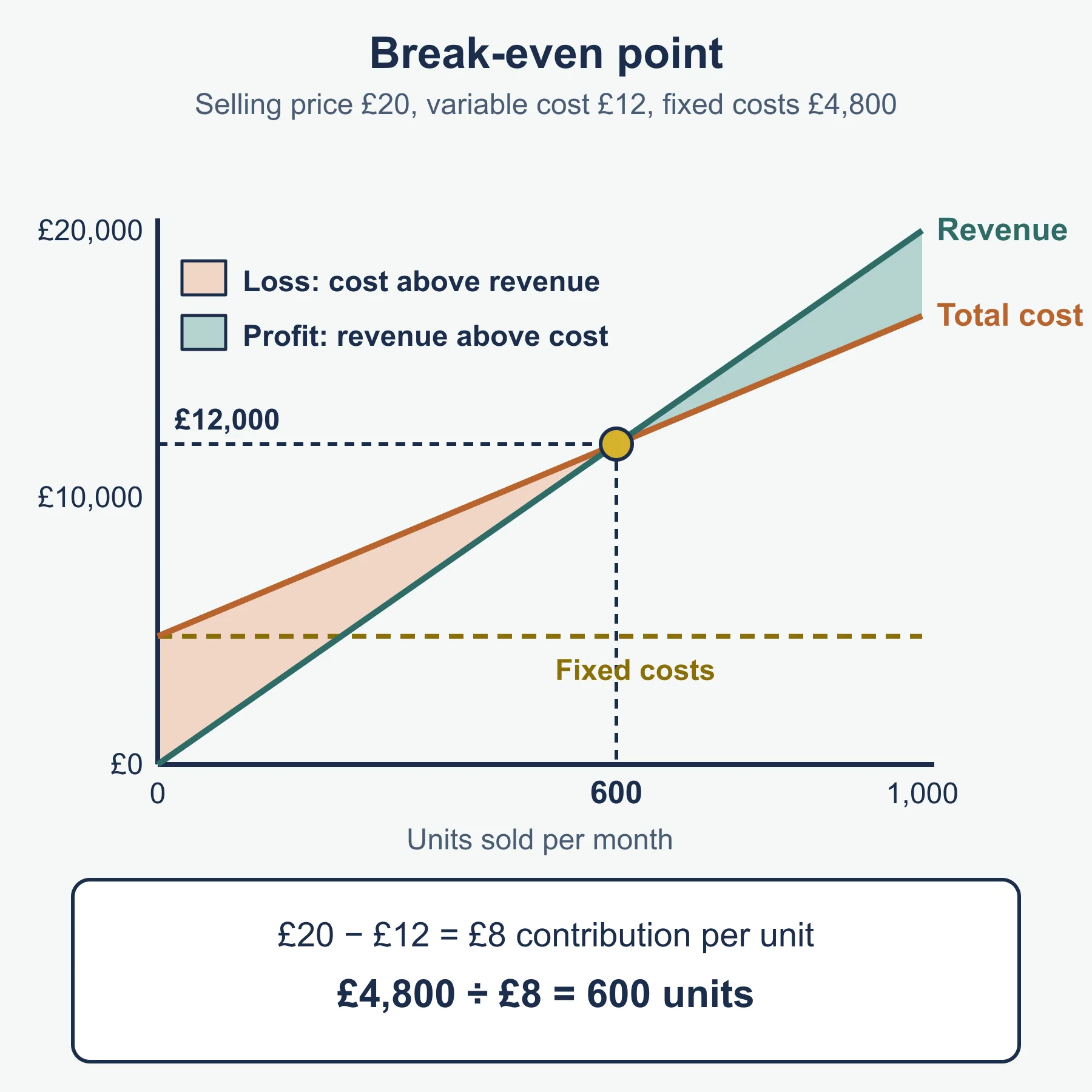
| Contribution per unit | selling price - variable cost per unit |
| Break-even quantity | fixed costs / contribution per unit (standard form) |
| Margin of safety | actual or forecast sales - break-even quantity (standard form) |
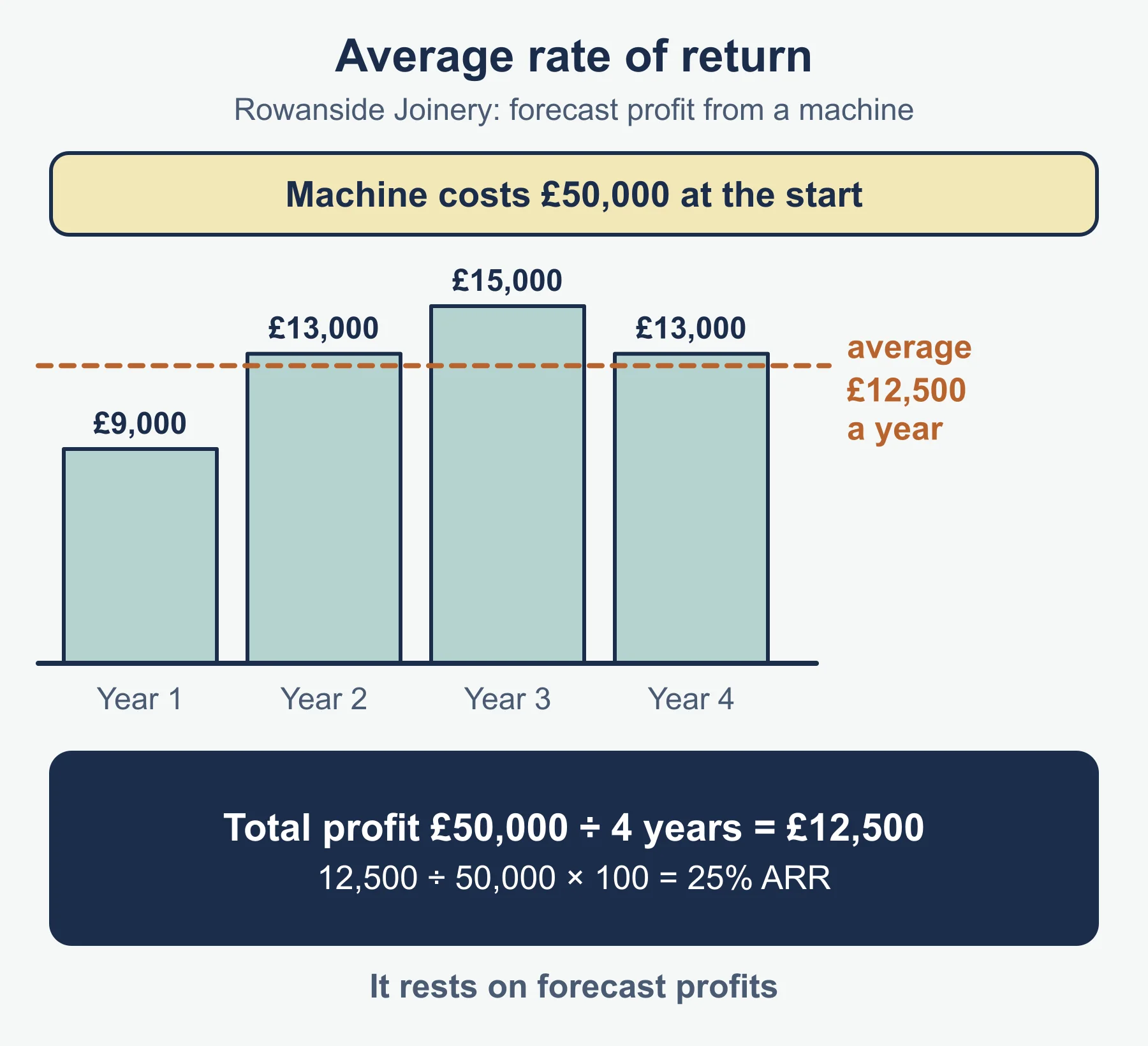
| Average rate of return | average annual profit / initial investment x 100 (standard form) |
| Closing cash | opening cash + inflows - outflows |
Limits of financial information: it is based on the past or on forecasts, it leaves out things that cannot be counted, and a good figure does not explain why it happened. Qualitative information, such as customer opinions, should sit beside the numbers.
Worked reminder: break-even and risk
Birchlea Pet Supplies plans a new line. Price £12, variable cost £7.50, fixed costs £9,000 a year.
Contribution = 12 - 7.50 = £4.50
Break-even   = 9,000 / 4.50 = 2,000 units
At 2,400 units: profit = 2,400 x 4.50 - 9,000 = £1,800
                margin of safety = 2,400 - 2,000 = 400 units
At 1,500 units: loss = 1,500 x 4.50 - 9,000 = -£2,250
The reward is £1,800 if the forecast is right. The risk is a £2,250 loss if sales are only 1,500. A sensible comment says the forecast needs support from market research.
Must-know distinctions
- Ethical versus environmental. Ethical is about how people are treated and how honestly the business behaves. Environmental is about the natural world. Sourcing of materials can be both, so say which angle you are using.
- Globalisation versus multinational. Globalisation is the trend. A multinational is one type of business that grows because of it.
- Profit versus cash. Profit is revenue minus costs over a period. Cash is money actually in the bank at a point in time. A profitable business can still run short of cash.
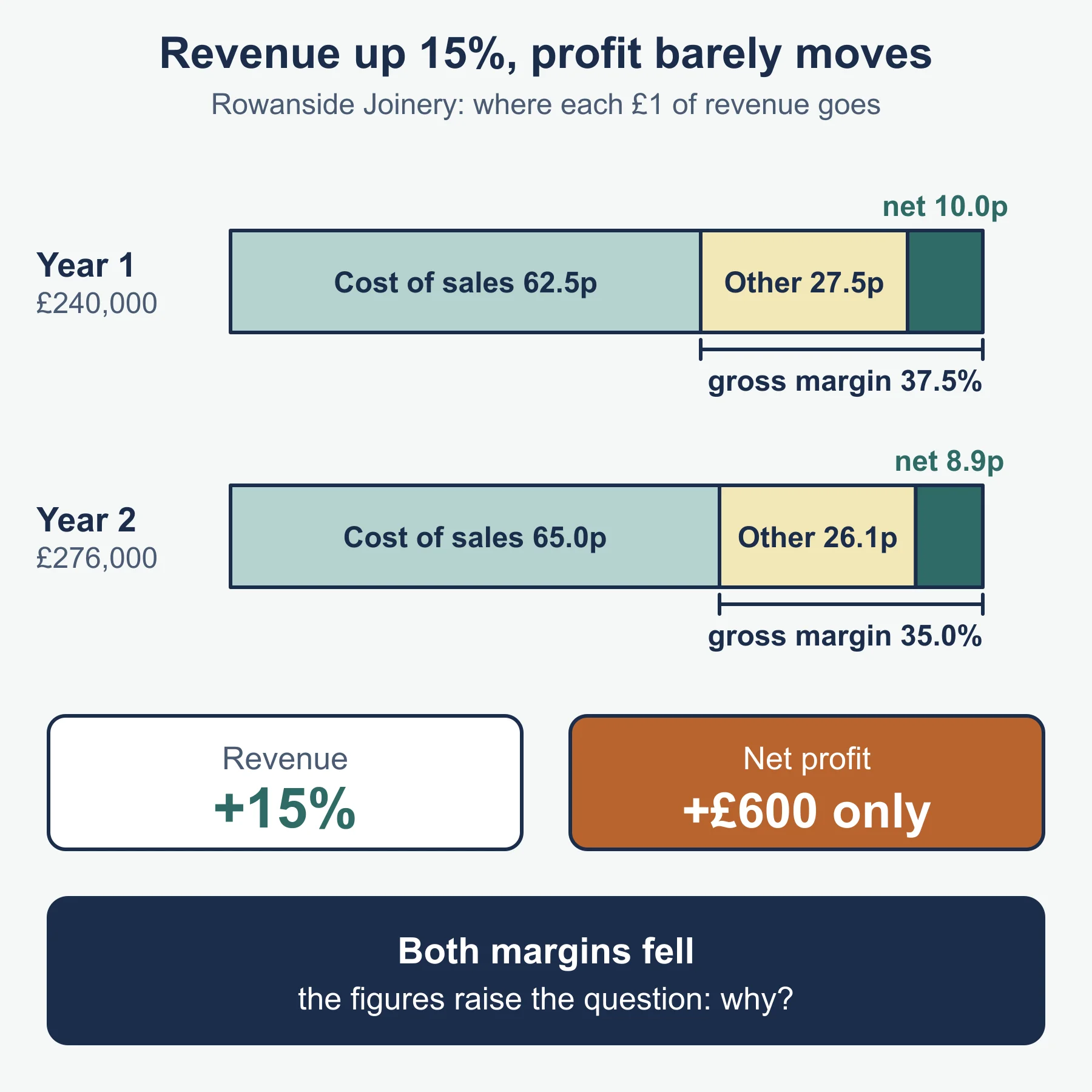
- Margin versus profit. A margin is a percentage of revenue. Profit is an amount of money. Profit can rise while a margin falls.
- Quantitative versus qualitative. Quantitative data is numbers, such as sales or ARR. Qualitative data is opinions and reasons, such as customer comments. Good decisions use both.
- Short-run cost versus long-run reward. Many ethical and environmental choices cost money now and pay back later through reputation or lower running costs.
Method for a case-study question on this topic
- Underline the business name, product, size and any figures in the stem.
- Identify the command word (state, explain, analyse, evaluate, justify, recommend).
- Pick the influence or function the question targets.
- Write a point, a reason that uses the stem, and the effect on the business.
- For evaluate, justify or recommend, finish with a reasoned judgement.
Quick self-test
- Define globalisation.
- Name two environmental considerations named in the specification.
- A business has revenue £60,000, cost of sales £42,000 and other expenses £9,000. Calculate the gross and net profit margins.
- A £24,000 investment gives total profit of £30,000 over five years. Calculate the average rate of return.
- Opening cash is £2,500. Inflows are £7,000 and outflows £8,200. State the closing balance.
- Fixed costs are £3,600, price £15, variable cost £9. Calculate the break-even quantity.
- A variable cost of £5.00 rises by 8% after a switch to a fair-trade style supplier. State the new cost.
- Explain why a fall in sales hurts profit more than the percentage fall in revenue suggests.
- Name two factors influencing business location, as listed in the specification.
- Revenue of £20,000 falls by 10% in a downturn. State the new revenue.
- Give two functions affected if marketing wins a large order.
Answers
- The increasing connection between economies, so trade, money and ideas move more easily across borders.
- Any two of sustainability, waste disposal, pollution, climate change.
- Gross profit £18,000, so 30%. Net profit £9,000, so 15%.
- Average annual profit £6,000; ARR = 6,000 / 24,000 x 100 = 25%.
- 2,500 + 7,000 - 8,200 = £1,300.
- Contribution £6; 3,600 / 6 = 600 units.
- £5.40.
- Fixed costs stay the same, so profit falls by a larger percentage than revenue.
- Any two of costs, proximity to market, labour, materials.
- £18,000.
- Any two of operations (capacity), finance (cash for stock), human resources (staff).
Where marks are usually lost
- Naming an ethical or environmental issue with no effect on the business.
- Writing “globalisation is good” or “bad” with no balance when the command word is evaluate or justify.
- Not saying which products or customers a fall in income affects.
- Using a general answer when the question gives a named business and data.
- Quoting a figure without interpreting it.
- Mixing up gross and net profit, or margin and profit.
- Leaving out the units or the percentage sign.
- Treating a forecast as certain.
- Answering a synoptic question from one function only.
Frequently asked questions
What ethical considerations are named in the OCR GCSE Business specification? The OCR GCSE Business (J204) specification names the treatment of workers, suppliers and customers, the sourcing of materials, and marketing decisions. For each, link the issue to cost, reputation and customers.
What environmental considerations do you need to know for J204? The specification names sustainability, waste disposal, pollution and climate change. A business might respond by changing what it makes, how it makes it, where it buys or what it says in its marketing.
What is the difference between ethical and environmental considerations? Ethical considerations are about how people are treated and how honestly the business behaves. Environmental considerations are about the natural world; sourcing of materials can be both, so say which angle you are using.
How does a change in one business function affect the others? The functions are interdependent, so a rise in orders, for example, affects operations through capacity and stock, finance through the cash needed, and people through staffing. Good answers trace a change through more than one function.
What are the limits of financial information? Financial information is based on the past or on forecasts, so it may not reflect what happens next. It also leaves out things that cannot be counted and does not explain why a figure happened, so qualitative information such as customer opinions should sit beside the numbers.
Official syllabus
OCR GCSE (9-1) Business (J204), Version 2.0 (January 2026), first assessment 2019, published by OCR. Sections 6 and 7 of the specification.
Get free revision emails (optional)
Occasional emails with practice questions, worked explanations and links to free resources for the qualification and subjects you choose. No spam, and you can unsubscribe from any email. The free tools on this site never need an email.
Related resources
-
Study guides
OCR GCSE Business: Operations (J204)
Study guide to section 4 Operations in OCR GCSE (9-1) Business J204: production, quality, selling, consumer law, location, suppliers, with worked examples.
Business · OCR · GCSE
Read guide -
Study guides
OCR GCSE Business: Operations, Finance and Influences on Business (J204)
Component 02 of OCR GCSE Business J204 explained: operations, finance and influences on business, from production and quality to break-even and cash flow.
Business · OCR · GCSE
Read guide -
Practice questions
OCR GCSE Business: Operations, Finance and Influences — Practice Questions
Original OCR GCSE Business J204/02 practice with worked answers: a 15-question multiple-choice Section A plus operations, finance and influences questions.
Business · OCR · GCSE
Try questions
Related articles
-
teaching
A Level tuition in Dubai: Cambridge or Pearson Edexcel International A Level?
Schools in Dubai and Abu Dhabi teach either Cambridge International AS & A Level or Pearson Edexcel International A Level. How the two are structured, why it matters for tuition, and how online classes from Lahore work.
9 October 2026
-
curriculum guides
Choosing subjects at IGCSE and A Level
How subject choices at 14 and 16 affect university options later, and how to keep pathways open without overloading a timetable.
28 July 2026
Studying this with a teacher
Working through Business GCSE?
This page is free and stays free. If you would rather be taught it, Marlbridge runs Business classes one-to-one, online in your own time zone. One-to-one only for this course: Rs 6,000 per class in Pakistan, with other currencies on the fees page. The first trial class is free. WhatsApp replies within an hour (8am–11pm Pakistan time, every day); email the same day.
OCR Business teachers at Marlbridge
